
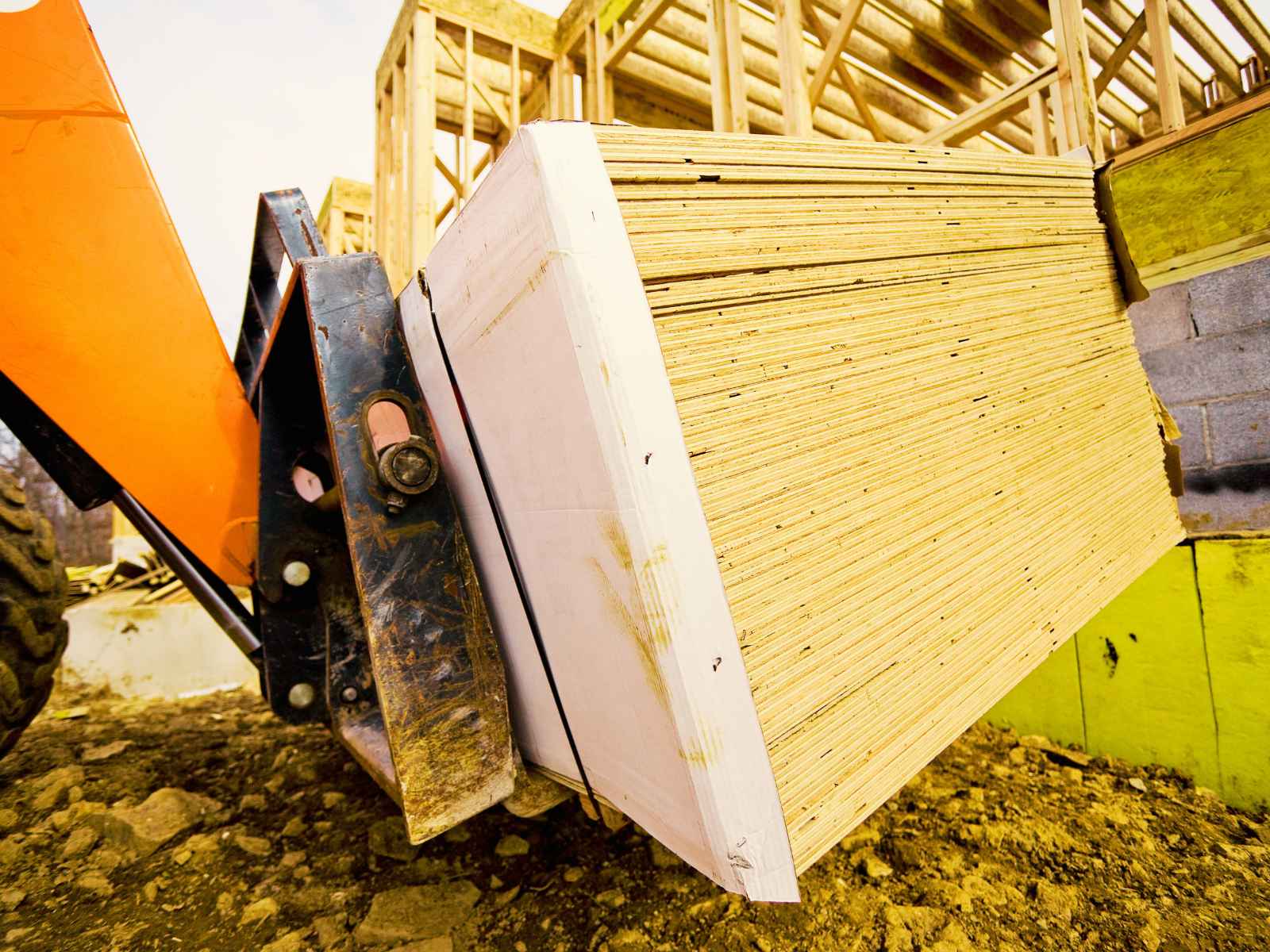
Planning a crane truck delivery involves much more than simply scheduling a vehicle and unloading heavy equipment. Whether you’re transporting building materials, machinery, shipping containers, or oversized items, proper site preparation is essential for a safe and efficient delivery. A well-planned site reduces delays, prevents damage to property, and ensures the crane operator can complete the job safely.
This site access checklist will help homeowners, builders, contractors, and project managers prepare for a successful crane truck delivery.
1. Confirm the Delivery Location
Start by confirming the exact delivery address and unloading point. If the site is part of a large construction project or industrial complex, provide clear instructions about where the crane truck should enter and where the load should be placed.
Sharing site maps, GPS coordinates, or photos before the delivery can help eliminate confusion on the day.
2. Check Vehicle Access
Crane trucks require sufficient space to enter, manoeuvre, and exit safely. Inspect the access road for:
- Road width
- Turning radius
- Driveway access
- Dead ends
- Low-hanging branches
- Overhead signs
- Tight corners
If access is restricted, discuss alternative delivery options with your crane hire company before booking.
3. Inspect Ground Conditions
The stability of the ground is one of the most important safety considerations. Soft, muddy, uneven, or waterlogged surfaces may not support the weight of a crane truck.
Ensure the ground is:
- Firm and level
- Free from underground hazards
- Capable of supporting heavy loads
- Clear of loose materials
If necessary, temporary ground mats or steel plates may be required.
4. Identify Overhead Hazards
Before delivery, inspect the site for anything that could interfere with lifting operations.
Common overhead hazards include:
- Power lines
- Tree branches
- Telephone cables
- Building awnings
- Roof structures
- Scaffolding
Maintaining adequate clearance helps prevent accidents and keeps the lift compliant with safety regulations.
5. Measure Available Space
Crane trucks require room not only for the vehicle but also for stabiliser legs (outriggers) and boom operation.
Measure:
- Entry gates
- Driveway width
- Distance to the lift point
- Working area around the crane
Providing these measurements beforehand allows the crane company to select the most suitable vehicle.
6. Remove Obstacles
Clear the delivery area before the crane arrives.
Move:
- Parked vehicles
- Skip bins
- Building materials
- Garden furniture
- Temporary fencing
- Equipment
A clutter-free site speeds up the lifting process and improves safety.
7. Consider Weather Conditions
Weather can significantly affect crane operations.
Heavy rain, strong winds, storms, or poor visibility may delay lifting activities. Monitor weather forecasts before delivery and remain flexible if conditions become unsafe.
Safety should always take priority over project deadlines.
8. Obtain Necessary Permissions
Some deliveries may require permits, traffic management, or council approval, particularly if the crane truck will occupy public roads or footpaths.
Depending on the location, you may need:
- Road occupancy permits
- Traffic control
- Parking permits
- Local council approvals
Organising these in advance helps prevent costly delays.
9. Communicate with Your Crane Operator
Provide as much information as possible before the delivery date.
Useful details include:
- Weight of the load
- Dimensions
- Desired placement location
- Site photographs
- Access restrictions
- Delivery time requirements
The more information the operator has, the better prepared they will be.
10. Ensure Everyone Understands the Safety Plan
Before lifting begins, everyone on-site should understand the safety procedures.
Keep unnecessary personnel away from the lifting zone and establish clear communication between the crane operator, dogman, and site supervisor.
Following safe work practices protects workers, visitors, and nearby property.
11. Prepare for Unexpected Challenges
Even well-planned deliveries can encounter unexpected issues.
Have contingency plans for:
- Equipment breakdowns
- Traffic delays
- Weather interruptions
- Site access changes
- Additional lifting requirements
Being prepared helps minimise downtime and keeps projects on schedule.
12. Choose an Experienced Crane Hire Company
Working with experienced crane rental company makes a significant difference. Qualified operators understand site assessments, safety requirements, and complex lifting procedures.
An experienced team will inspect the site, recommend the right crane, identify potential risks, and complete the delivery efficiently while complying with Australian safety standards.
Final Thoughts
Proper site preparation is the key to a successful crane truck delivery. Taking the time to inspect access routes, assess ground conditions, remove obstacles, and communicate clearly with your crane hire provider helps avoid delays, improves safety, and ensures your project runs smoothly.
Whether you’re delivering construction materials, machinery, containers, or oversized equipment, following this ultimate site access checklist will help your crane operation be completed safely, efficiently, and with minimal disruption.