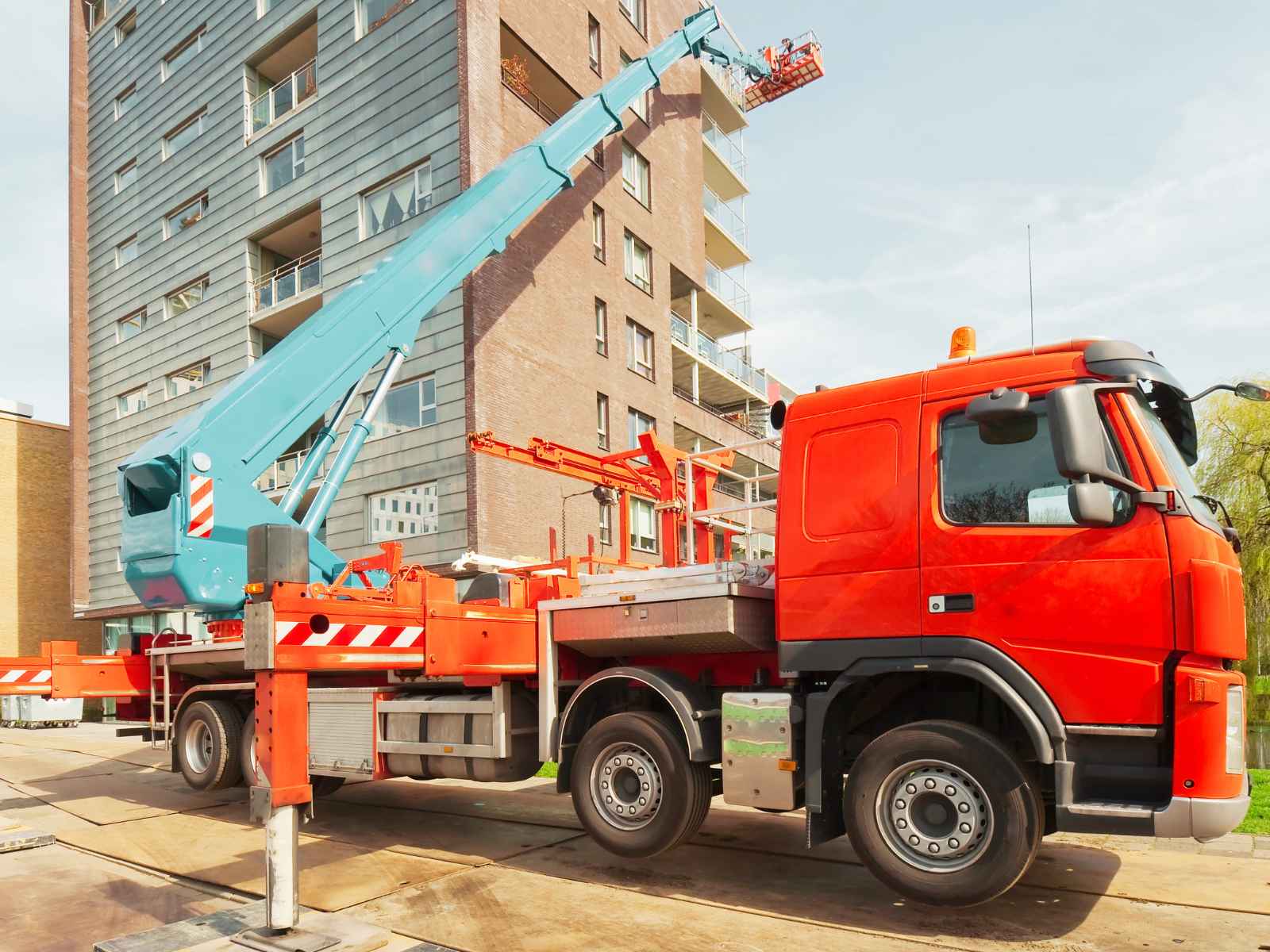
Hiab trucks have become an essential solution for industries requiring flexible lifting and transportation services. From construction materials and machinery to electrical equipment and structural components, Hiab cranes provide efficient handling solutions for challenging lifting tasks.
However, not all Hiab trucks are designed the same way. One of the key differences is the crane position: front-mounted or rear-mounted Hiab setups.
Understanding the differences between these configurations can help businesses choose the right equipment for their specific project requirements.
What Is a Front-Mounted Hiab?
A front-mounted Hiab crane is positioned behind the truck cabin, closer to the front of the vehicle.
This setup provides several advantages, especially when lifting loads near the front section of the truck or when additional loading space is required.
Front-mounted Hiab trucks are commonly used for:
- Construction materials
- Building supplies
- Machinery transport
- Industrial equipment
- General freight lifting
The crane’s location allows operators to access loads efficiently while maintaining good visibility during lifting operations.
Advantages of Front-Mounted Hiab Trucks
a. Greater Payload Capacity
Because the crane is positioned closer to the front, the truck often provides more available deck space towards the rear. This can allow businesses to transport longer or larger loads.
b. Better Weight Distribution
A front-mounted crane can help distribute weight more evenly across the vehicle, improving stability during transportation.
c. Suitable for Long Loads
Industries transporting items such as steel beams, pipes, and construction materials often benefit from front-mounted setups because of the additional rear loading area.
What Is a Rear-Mounted Hiab?
A rear-mounted Hiab crane is installed at the back of the truck. This configuration allows the crane to lift loads from behind the vehicle.
Rear-mounted Hiab trucks are popular for projects where access from the rear is important.
They are commonly used for:
- Site deliveries
- Landscaping materials
- Concrete products
- Heavy machinery placement
- Construction projects
Advantages of Rear-Mounted Hiab Trucks
a. Excellent Rear Access
Rear-mounted cranes are ideal when materials need to be unloaded directly behind the truck.
This makes them useful for tight work areas, construction sites, and locations where side access is limited.
b. Better Reach Behind the Vehicle
The crane can easily position materials behind the truck, making it easier to place loads exactly where required.
c. Efficient for Delivery Work
Businesses involved in regular deliveries often prefer rear-mounted Hiab trucks because unloading is faster and more convenient.
Front-Mounted vs Rear-Mounted Hiab: Key Differences
The right choice depends on the type of lifting work required.
Front-mounted Hiab trucks are better suited for:
- Transporting longer materials
- Projects requiring more deck space
- Industrial freight
- Construction supply delivery
Rear-mounted Hiab trucks are better suited for:
- Rear unloading
- Restricted access sites
- Material placement projects
- Construction deliveries
Factors to Consider When Choosing a Hiab Setup
a. Load Requirements
Consider the weight, size, and shape of the items being lifted. Different crane configurations have different lifting capacities and reach capabilities.
b. Site Conditions
The work environment plays an important role. Narrow spaces, limited access areas, and uneven terrain may influence which setup works best.
c. Lifting Position
Think about where the load needs to be placed. If the equipment must be positioned behind the truck, a rear-mounted Hiab may be more suitable.
d. Project Duration
For ongoing projects, choosing the right Hiab configuration can improve efficiency and reduce operating costs.
Professional Advice Matters
Selecting the correct Hiab setup requires understanding the project requirements, load specifications, and site conditions. Experienced Hiab operators can recommend the most suitable truck configuration to ensure safe and efficient lifting.
Conclusion
Both front-mounted and rear-mounted Hiab trucks provide valuable lifting solutions, but each setup offers different advantages. Front-mounted Hiabs are ideal for transporting larger loads and maintaining deck space, while rear-mounted Hiabs provide excellent unloading flexibility and access.
Choosing the right Hiab configuration ensures safer operations, improved efficiency, and successful project completion. By working with an experienced Hiab service provider, businesses can select the best lifting solution for their specific needs.