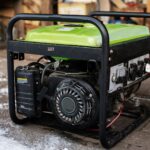
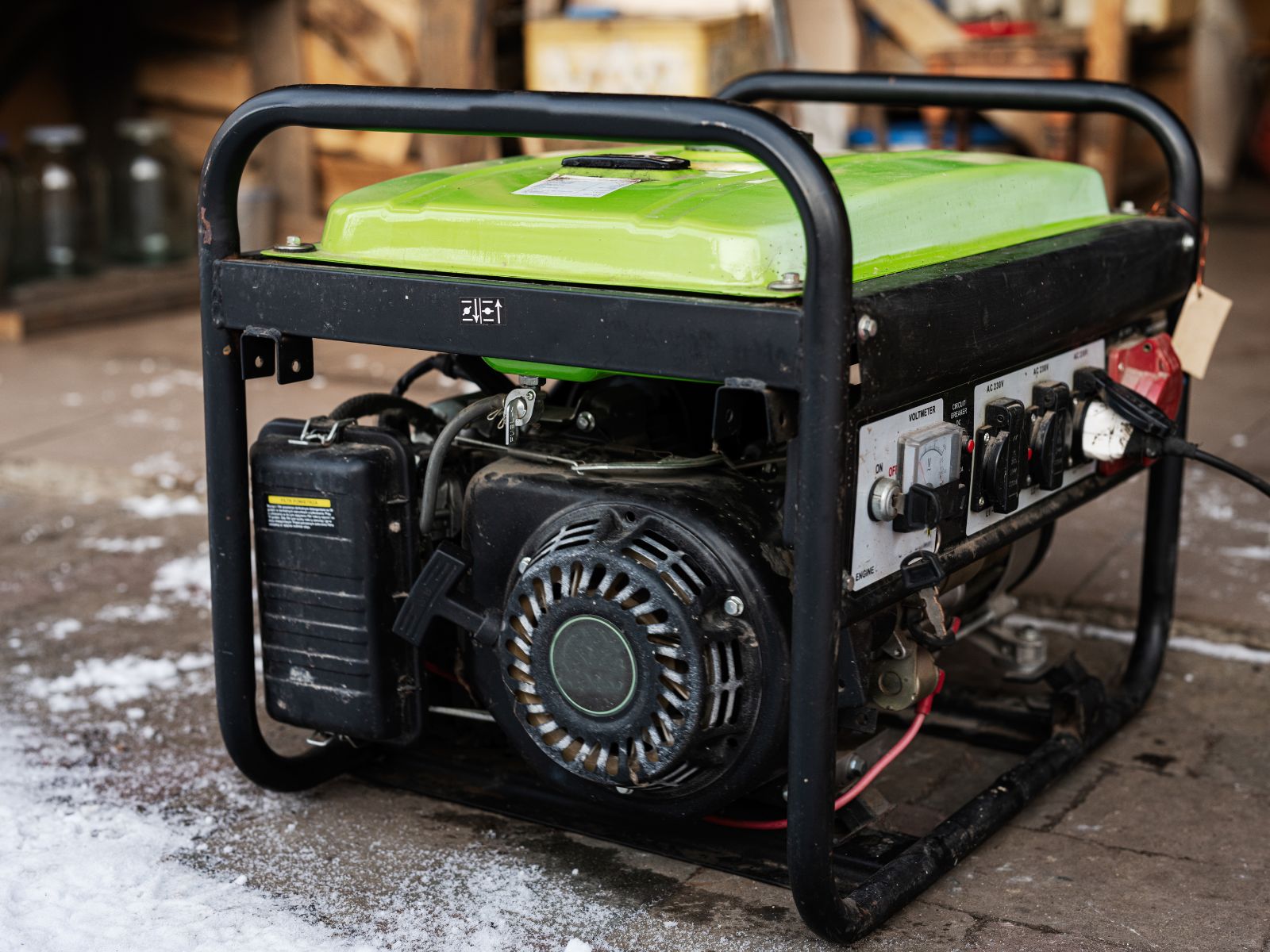
Transporting a generator to a rooftop in Sydney’s CBD is a highly specialised task that requires careful planning, strict safety measures, and precise execution. With busy streets, tight access points, high-rise buildings, and strict council regulations, moving heavy equipment in the city center is far more complex than a standard delivery.
Whether the generator is intended for emergency backup power, commercial operations, or construction support, ensuring the move is completed safely and on schedule is critical. Delays can disrupt building operations, increase costs, and create safety risks for workers and the public.
This guide explains the essential steps involved in moving a generator to a Sydney CBD rooftop efficiently while minimising risk and downtime.
Understanding the Challenges of Rooftop Generator Moves
Rooftop generator installations in central Sydney present unique logistical and operational challenges.
Some of the most common obstacles include:
- Limited street access
- Heavy pedestrian and vehicle traffic
- Restricted crane operating zones
- Height limitations between buildings
- Strict safety regulations
- Weather conditions and wind exposure
- Tight project timelines
Because generators are large, heavy, and sensitive pieces of equipment, every stage of the relocation process must be carefully coordinated.
Start with a Detailed Site Assessment
A successful rooftop generator move begins with a complete site assessment.
Before any lifting equipment arrives on-site, project managers and lifting specialists should inspect:
- Rooftop dimensions and load capacity
- Building access points
- Street positioning for cranes
- Nearby structures and obstacles
- Underground utilities
- Traffic conditions
- Power lines and overhead obstructions
The assessment helps determine the safest lifting method and identifies potential risks before the project begins.
Accurate measurements are essential because even small clearance miscalculations can lead to major delays or safety hazards.
Choose the Right Crane for the Job
Selecting the correct crane is one of the most important decisions in the process.
In Sydney CBD projects, mobile cranes are commonly used because they provide flexibility and lifting power in confined urban spaces. However, crane selection depends on several factors:
- Generator weight
- Lift height
- Reach distance
- Site accessibility
- Road restrictions
- Weather conditions
Lifting heavy equipment onto rooftops often requires high-capacity cranes with advanced stabilisation systems.
hiring a crane that is too small may compromise safety, while an oversized crane can increase costs and create unnecessary logistical complications.
Obtain Necessary Permits and Approvals
Moving heavy equipment in Sydney’s CBD typically requires multiple permits and approvals.
Depending on the project scope, approvals may include:
- Road occupancy permits
- Traffic management permits
- Crane operation approvals
- Council permissions
- Building management authorisation
- Safety compliance documentation
Failure to secure permits in advance can delay the project and lead to costly fines.
Working with experienced lifting and transport professionals helps streamline the approval process because they understand local regulations and council requirements.
Develop a Detailed Lift Plan
A comprehensive lift plan is essential for ensuring the generator is moved safely and efficiently.
The lift plan should include:
- Crane setup locations
- Load weight calculations
- Rigging configurations
- Lift sequence procedures
- Communication protocols
- Emergency response procedures
- Weather contingency plans
Every worker involved in the operation should understand their role before the lift begins.
Clear communication between crane operators, riggers, transport crews, and site supervisors is critical throughout the process.
Schedule the Move Strategically
Timing plays a major role in CBD rooftop lifting operations.
To reduce disruption and improve safety, many generator lifts are scheduled:
- Early in the morning
- Overnight
- During weekends
- Outside peak traffic hours
Strategic scheduling minimises congestion and reduces risks to pedestrians and nearby businesses.
Proper coordination also helps ensure the generator arrives on-site exactly when needed, reducing downtime and avoiding unnecessary storage or waiting costs.
Prioritise Safety at Every Stage
Safety is the highest priority during any rooftop generator move.
Heavy lifting operations involve significant risks, especially in densely populated urban areas like Sydney CBD.
Important safety measures include:
Qualified Personnel
Only certified crane operators, riggers, dogmen, and lifting specialists should handle the operation.
Equipment Inspections
All cranes, lifting gear, slings, and rigging equipment should be thoroughly inspected before use.
Exclusion Zones
Restricted safety zones should be established around the lift area to protect workers and pedestrians.
Weather Monitoring
Strong winds can make rooftop lifts extremely dangerous. Weather conditions should be monitored continuously before and during the operation.
Communication Systems
Two-way radios and clear signaling systems help maintain coordination throughout the lift.
Following strict safety procedures helps prevent accidents, injuries, and costly delays.
Coordinate with Building Management
Building management teams play an important role in rooftop generator installations.
Coordination should include:
- Elevator access scheduling
- Rooftop access permissions
- Tenant notifications
- Power shutdown coordination
- Noise management planning
Good communication helps minimise disruptions for building occupants and ensures the project runs smoothly.
For commercial buildings, minimising operational interruptions is often a key project requirement.
Protect the Generator During Transport
Generators are expensive and sensitive pieces of equipment that require careful handling.
Proper transport preparation may include:
- Protective wrapping
- Shock-resistant securing systems
- Waterproof coverings
- Load stabilisation equipment
Any damage during transport or lifting can lead to costly repairs and project setbacks.
Professional heavy equipment movers use specialised transport systems to ensure the generator remains secure throughout the journey.
Prepare for Unexpected Delays
Even with careful planning, unexpected challenges can arise during rooftop lifting projects.
Potential delays may include:
- Sudden weather changes
- Traffic disruptions
- Equipment issues
- Permit complications
- Site access problems
Having contingency plans in place allows the project team to respond quickly without compromising safety or deadlines.
Experienced lifting contractors understand how to adapt efficiently when conditions change.
Final Installation and Positioning
Once the generator reaches the rooftop, precise positioning is essential.
The installation team must ensure:
- Correct alignment
- Stable placement
- Secure mounting
- Proper clearance for ventilation and maintenance
- Compliance with engineering specifications
After positioning, the generator is typically inspected and tested before becoming operational.
Careful final placement helps maximise equipment performance and long-term reliability.
Why Professional Expertise Matters
Rooftop generator moves are not standard transport jobs. They require specialised knowledge, advanced lifting equipment, and detailed project management.
Hiring experienced professionals provides several advantages:
- Improved safety compliance
- Reduced project delays
- Better risk management
- Efficient coordination
- Proper permit handling
- Reliable equipment operation
Professional lifting teams understand the complexities of CBD projects and can execute the move with minimal disruption.
Conclusion
Moving a generator to a Sydney CBD rooftop safely and on schedule requires detailed planning, skilled coordination, and strict attention to safety. From site assessments and crane selection to permits and final installation, every step must be carefully managed to ensure success.
With the challenges of dense urban environments, limited access, and tight timelines, working with experienced lifting and transport professionals is essential. A properly executed rooftop generator move not only protects workers and equipment but also keeps commercial projects running efficiently and on time.
By prioritising preparation, communication, and safety, businesses can complete complex rooftop generator installations smoothly and confidently.