Moving industrial equipment is never a simple task. Heavy machinery, oversized components, and delicate systems require careful planning, specialised handling, and the right transportation equipment. One of the most effective solutions for industrial relocation is hiring a crane truck. However, choosing the wrong provider or overlooking critical details can lead to delays, costly damage, and safety risks.
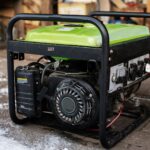
Whether you are relocating factory equipment, construction machinery, generators, or manufacturing systems, understanding the do’s and don’ts of hiring a crane truck can save your business time, money, and stress.
Why Crane Trucks Matter in Industrial Equipment Moving
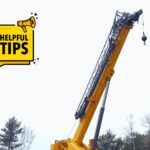
Crane trucks combine transportation and lifting capabilities into one efficient solution. Unlike standard transport vehicles, crane trucks can load, unload, and position heavy equipment without requiring additional machinery on-site.
Industrial businesses often rely on crane trucks for:
- Transporting heavy machinery
- Loading and unloading oversized equipment
- Moving generators and compressors
- Relocating construction materials
- Factory and warehouse relocations
- Equipment installation projects
Because industrial equipment is often expensive and sensitive, hiring the right crane truck service becomes essential.
The Do’s of Hiring a Crane Truck
1. Do Verify Experience in Industrial Equipment Moving
Not every crane truck company specialises in industrial machinery relocation. Industrial equipment requires technical knowledge, proper rigging methods, and an understanding of load distribution.
Choose a company with proven experience handling:
- Manufacturing equipment
- Heavy industrial machinery
- Construction equipment
- Oversized or irregular loads
- High-value assets
Experienced operators understand how to minimise risk during lifting and transport.
2. Do Check Licensing and Insurance
A reputable crane truck provider should have:
- Proper operating licenses
- Certified crane operators
- Public liability insurance
- Equipment damage coverage
- Workplace safety compliance
Insurance is particularly important when transporting expensive industrial machinery. Without adequate coverage, your business may face significant financial losses if something goes wrong.
3. Do Assess Equipment Capacity
Before hiring, confirm that the crane truck can safely handle the weight and dimensions of your equipment.
Ask about:
- Maximum lifting capacity
- Reach and boom length
- Vehicle dimensions
- Weight restrictions
- Site accessibility requirements
Hiring a crane truck that is too small can create dangerous lifting situations and project delays.
4. Do Request a Site Inspection
Professional industrial movers often perform a site inspection before the move. This helps identify:
- Access limitations
- Ground stability
- Overhead hazards
- Loading and unloading challenges
- Required permits
A proper assessment allows the team to create a safe and efficient moving plan.
5. Do Prioritise Safety Standards
Safety should never be compromised when moving heavy equipment. Ask the provider about:
- Safety protocols
- Operator certifications
- Risk assessments
- Emergency procedures
- Compliance with local regulations
Reliable crane truck operators prioritise workplace safety at every stage of the move.
The Don’ts of Hiring a Crane Truck
1. Don’t Choose Based on Price Alone
The cheapest quote is not always the best option. Low-cost services may cut corners with:
- Inexperienced operators
- Poorly maintained equipment
- Limited insurance coverage
- Inadequate safety procedures
When it comes to industrial equipment moving, reliability and expertise matter more than saving a small amount upfront.
2. Don’t Ignore Equipment Condition
Always ensure the crane truck and lifting equipment are properly maintained. Faulty cranes can result in:
- Equipment damage
- Workplace accidents
- Delays and downtime
- Compliance issues
Ask whether the company performs regular inspections and maintenance.
3. Don’t Overlook Permits and Regulations
Industrial moves may require:
- Oversized load permits
- Road transport approvals
- Traffic management plans
- Site-specific permissions
A professional crane truck provider should understand local transport laws and manage necessary permits on your behalf.
4. Don’t Skip Communication
Clear communication is essential during industrial relocation projects. Avoid companies that provide vague timelines or unclear pricing.
Make sure you receive:
- A detailed quote
- Defined project timelines
- Clear scope of work
- Emergency contact information
Strong communication reduces misunderstandings and project disruptions.
5. Don’t Hire Without Reviews or References
Before making a decision, research the company’s reputation. Look for:
- Customer reviews
- Industry testimonials
- Case studies
- Safety records
A trustworthy crane truck provider should have a strong track record of successful industrial equipment moves.
Benefits of Hiring Professional Industrial Equipment Movers
Working with experienced industrial equipment movers offers several advantages:
- Reduced Downtime: Professional movers help businesses relocate machinery quickly and efficiently, minimising operational interruptions.
- Improved Safety: Certified operators and proper lifting techniques significantly reduce workplace risks.
- Cost Efficiency: Avoiding equipment damage, delays, and accidents can save substantial costs over time.
- Specialised Expertise: Industrial movers understand how to transport sensitive, oversized, and high-value machinery safely.
Final Thoughts
Hiring crane truck service is a critical decision for any industrial equipment move. Proper planning, experienced operators, and strict safety standards can make the difference between a smooth relocation and a costly disaster.
By following these do’s and don’ts, businesses can ensure their valuable machinery is transported safely, efficiently, and with minimal downtime.
When selecting an industrial equipment mover, focus on experience, safety, equipment quality, and reliability rather than simply choosing the lowest price. The right crane truck partner will help protect your assets and keep your operations running smoothly.