Steel framing has become an increasingly popular choice for residential construction across Australia due to its strength, durability, and precision. However, installing structural steel requires careful planning to ensure every component is lifted and installed in the correct order. This process, known as steel lift sequencing, is essential for maintaining safety, reducing delays, and keeping construction projects on schedule.
Whether you’re building a custom home, duplex, townhouse, or multi-storey residence, hiring a professional crane service with experienced operators can make all the difference. Proper lift sequencing ensures that every steel beam, column, and frame is installed efficiently while minimising risks on-site.
What Is Steel Lift Sequencing?
Steel lift sequencing is the planned order in which steel components are delivered, lifted, and installed during construction. Instead of randomly placing steel members, each piece is lifted according to a carefully designed schedule that matches the structural engineering plans.
The sequence typically considers:
- Foundation readiness
- Delivery timing
- Crane positioning
- Weight of steel members
- Access around the site
- Installation priorities
- Safety requirements
Following the correct sequence allows builders and steel installers to assemble the structure quickly without needing to repeatedly move materials around the site.
Why Proper Sequencing Matters
A well-planned lifting sequence provides numerous benefits throughout the construction process.
1. Improved Safety
Steel beams can weigh hundreds or even thousands of kilograms. Improper lifting or installing steel out of sequence may create unstable structures or unsafe working conditions.
Professional crane operators follow engineered lift plans to ensure every load is safely controlled from pickup to final placement.
2. Faster Construction
Time is money on any residential build.
When steel arrives in the correct order and each lift is planned beforehand, installers spend less time waiting or repositioning materials. This allows framing crews to continue working without unnecessary interruptions.
Efficient sequencing often reduces overall project timelines.
3. Reduced Double Handling
Without proper planning, steel components may need to be moved several times before installation.
Each additional movement:
- Increases labour costs
- Creates safety risks
- Wastes valuable time
- Raises the chance of damaging materials
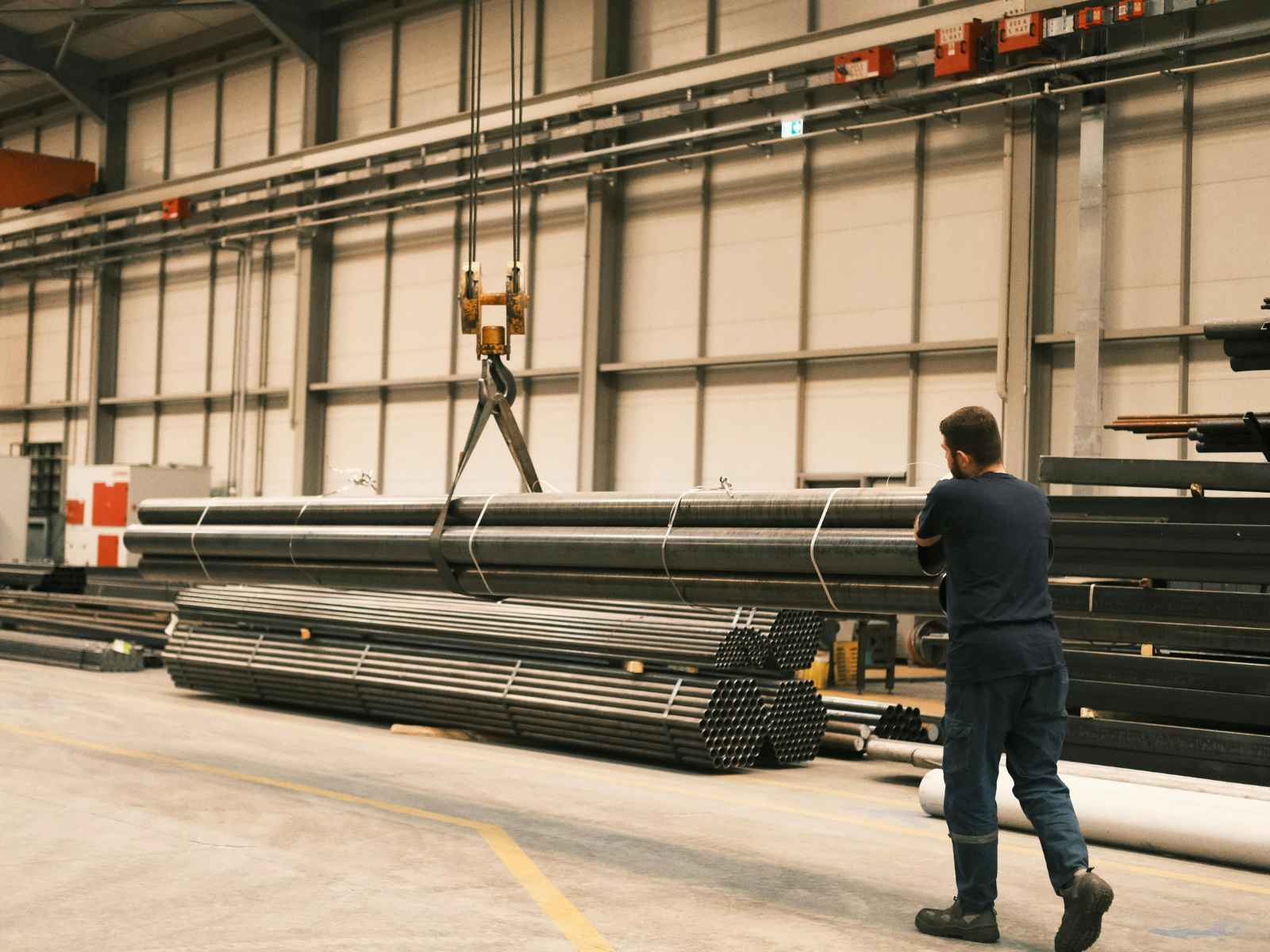
A crane positioned correctly can lift steel directly from the delivery truck into its final installation position.
4. Better Crane Efficiency
Crane hire is typically charged by the hour or day.
An organised lifting sequence helps maximise crane productivity by reducing idle time and unnecessary repositioning. Every lift is planned to achieve the most work within the scheduled hire period.
Typical Steel Lift Sequence for Residential Builds
Although every project differs, residential steel installation generally follows a similar order.
1. Site Preparation
Before lifting begins, contractors confirm:
- Stable ground conditions
- Crane access
- Delivery schedules
- Weather conditions
- Safety zones
- Exclusion areas
This preparation ensures lifting operations run smoothly.
2. Steel Delivery
Steel components are delivered in the order they will be installed.
Proper labelling allows installers to immediately identify each beam or column, reducing confusion during lifting.
3. Installation of Primary Columns
Vertical columns are normally installed first since they provide the main structural support.
The crane carefully positions each column while installers secure temporary bracing.
4. Main Structural Beams
Once columns are secure, primary beams are lifted into position.
These larger members create the framework that supports floors and roof structures.
Accurate crane positioning is essential during this stage.
5. Secondary Steel Members
Secondary beams, joists, lintels, and bracing are then installed.
These components strengthen the overall frame and prepare the building for roofing and wall installation.
6. Final Structural Checks
Once all steel has been installed, engineers inspect:
- Beam alignment
- Bolt tension
- Connections
- Bracing
- Overall structural integrity
Only after approval does construction continue.
Choosing the Right Crane
Different residential projects require different lifting equipment.
Professional crane hire companies assess:
- Weight of steel components
- Lift height
- Site access
- Ground conditions
- Reach requirements
- Surrounding buildings
Using the correct crane improves both safety and efficiency.
Common options include:
- Franna cranes
- Mobile cranes
- City cranes
- All-terrain cranes
Each type is suited to different residential building requirements.
The Importance of Experienced Crane Operators
Even the best lifting plan depends on experienced operators.
Qualified crane operators understand:
- Load charts
- Safe lifting practices
- Communication with dogmen and riggers
- Australian safety standards
- Weather limitations
- Precise load placement
Their expertise helps prevent costly mistakes and delays.
Common Challenges During Steel Lifting
Residential sites often present unique challenges.
These may include:
1. Limited Access
Narrow streets or tight suburban blocks can restrict crane movement.
Experienced crane companies plan equipment positioning before work begins.
2. Weather Conditions
High winds can make lifting unsafe.
Professional operators constantly monitor weather conditions and suspend operations if necessary.
3. Confined Building Sites
Many new residential developments leave very little room for cranes.
Proper sequencing reduces the number of crane movements required throughout the project.
4. Multiple Trades on Site
Builders, electricians, plumbers, and other contractors often work simultaneously.
Scheduling steel lifts carefully helps minimise disruptions and keeps everyone working safely.
Benefits of Hiring a Professional Crane Company
Hiring an experienced crane hire company provides more than just lifting equipment.
Professional services include:
- Lift planning
- Site inspections
- Qualified operators
- Safety compliance
- Modern crane fleet
- Efficient scheduling
- Risk assessments
- Insurance coverage
This expertise helps residential builders complete projects with confidence.
Final Thoughts
Steel lift sequencing is one of the most important aspects of residential steel construction. A well-organised lifting plan improves safety, increases efficiency, reduces labour costs, and keeps projects moving according to schedule.
Whether you’re building a single home or a multi-storey residential development, partnering with a professional crane hire company ensures every steel component is lifted safely and installed in the correct order. With experienced operators, modern equipment, and careful planning, your residential build can progress smoothly from foundation to completion while avoiding unnecessary delays and costly mistakes.