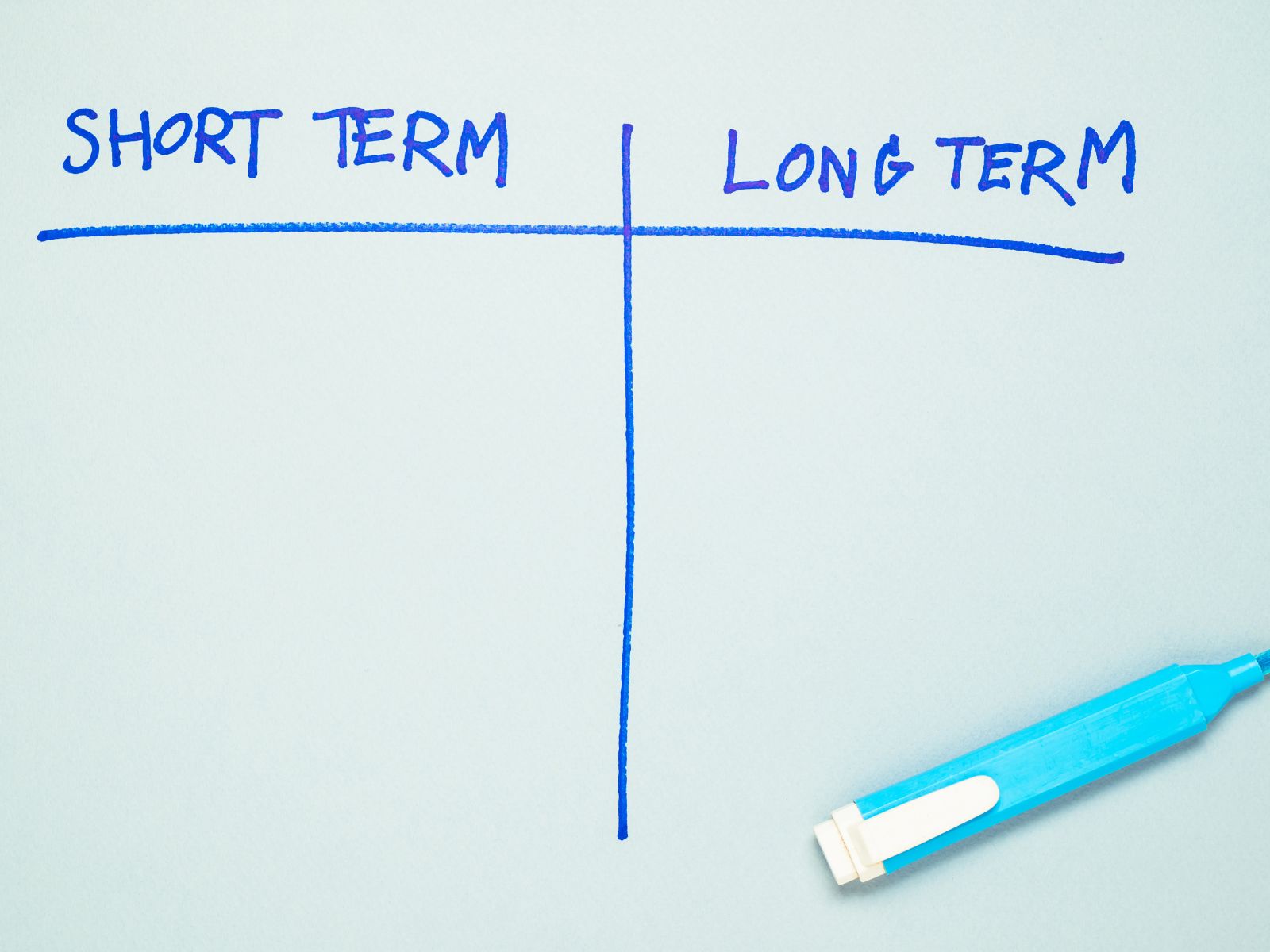
When planning a lift involving heavy materials, machinery, or awkward loads, choosing the right hire duration for a HIAB can significantly impact your project’s cost, efficiency, and flexibility. Whether you’re managing a construction site, coordinating a landscaping project, or delivering modular units, understanding the difference between short-term and long-term HIAB hire will help you make the best decision.
Short-Term HIAB Hire
Short-term HIAB hire typically covers single-day bookings, weekend jobs, or projects lasting a few days to a few weeks. It’s ideal for tasks that are clearly defined, time-bound, and require immediate lifting support.
When Short-Term Hire Makes Sense
- One-Off Deliveries: If you need to deliver steel beams, timber packs, or machinery to a site and position them precisely, short-term hire is often the most cost-effective option.
- Emergency or Urgent Jobs: Unexpected site requirements, last-minute material deliveries, or recovery operations often call for rapid response. A short-term HIAB booking provides flexibility without long-term commitment.
- Small-Scale Projects: Residential builds, landscaping installations, hot tub placements, and container moves typically only require lifting services for a day or two.
Advantages of Short-Term Hire
- Cost Control: You only pay for the time you need.
- Flexibility: Easy to schedule around specific delivery times.
- Minimal Commitment: No ongoing financial obligation.
- Ideal for Trial Use: Useful if you’re assessing a provider’s reliability before entering a longer contract.
Considerations
While short-term hire offers flexibility, daily rates are generally higher than long-term agreements when calculated proportionally. Availability can also fluctuate during busy construction seasons, so booking in advance is advisable.
Long-Term HIAB Hire
Long-term HIAB hire generally applies to projects lasting several weeks, months, or even ongoing contracts. This option is common for large construction developments, infrastructure projects, or businesses with consistent lifting needs.
When Long-Term Hire Is the Better Choice
- Major Construction Projects: Large developments often require regular material deliveries and lifting throughout multiple phases of work. Having a dedicated HIAB available ensures consistent scheduling.
- Ongoing Site Operations: If your business frequently handles heavy goods, such as modular building suppliers, roofing contractors, or steel fabricators, long-term hire can streamline operations.
- Infrastructure and Utility Work: Projects involving repeated pole installations, pipe placements, or heavy equipment movement benefit from guaranteed crane availability over an extended period.
Advantages of Long-Term Hire
- Lower Overall Costs: Weekly or monthly rates are typically discounted compared to day rates.
- Improved Planning: Guaranteed availability allows better scheduling and coordination.
- Operational Consistency: Working with the same operators improves communication and site familiarity.
- Stronger Supplier Relationship: Long-term agreements often lead to priority service and better support.
Considerations
Long-term hire requires a commitment, so accurate project forecasting is essential. If project timelines shift significantly, you may be paying for equipment that isn’t fully utilised. It’s important to negotiate flexible terms where possible.
Cost Comparison: Short vs Long Term Hiab Hire
The primary difference lies in pricing structure. Short-term hire usually operates on a daily or hourly rate, which offers flexibility but can be more expensive over time. Long-term hire spreads costs over a longer period, reducing the average daily rate.
However, cost alone shouldn’t dictate your decision. Consider:
- Frequency of lifts
- Project duration certainty
- Budget structure
- Operational efficiency
- Availability during peak seasons
In many cases, businesses that initially book short-term hire eventually transition to long-term arrangements once workload becomes predictable.
Operational Efficiency and Productivity
Beyond pricing, think about productivity. Frequent short-term bookings may involve repeated scheduling, induction processes, and coordination efforts. Long-term hire reduces administrative time and improves site familiarity.
For example, a HIAB operator working on your site over several months will better understand access restrictions, ground conditions, and lift plans. This often results in safer and more efficient operations.
On the other hand, if your needs are sporadic and unpredictable, committing to a long-term agreement could reduce flexibility and tie up capital unnecessarily.
Safety and Compliance
Both short-term and long-term HIAB hire should include fully certified operators and equipment compliant with lifting regulations. Always confirm:
- Operator CPCS or equivalent certification
- LOLER inspection records
- Insurance coverage
- Risk assessments and method statements
Reliable hire providers maintain high safety standards regardless of contract length. The key difference lies more in scheduling and cost efficiency than compliance.
Which Option Is Right for You?
Choosing between short-term and long-term HIAB hire ultimately depends on your project scope and business model.
Choose short-term hire if:
- You have a clearly defined, short-duration task.
- You require flexibility without ongoing commitment.
- Your lifting needs are occasional or unpredictable.
Choose long-term hire if:
- Your project runs for several weeks or months.
- You require consistent lifting support.
- You want better overall value and guaranteed availability.
Final Thoughts
HIAB hire offers a versatile solution for transporting and lifting heavy materials efficiently. The decision between short-term and long-term hire isn’t simply about price, it’s about aligning your operational needs, project timelines, and budget strategy.
By carefully assessing your workload, forecasting your lifting requirements, and partnering with a reliable provider, you can ensure your HIAB hire arrangement delivers maximum value, safety, and efficiency for your project.