
Transporting heavy machinery is a task that requires precision, planning, and the right equipment. Whether it’s construction machinery, industrial equipment, generators, or oversized loads, the process involves far more than simply placing an object on a truck and driving away. This is where HIAB-equipped transport vehicles, trucks fitted with hydraulic knuckle-boom cranes, play a vital role in ensuring both safe lifting and efficient delivery.
In this blog, we explore what HIAB transport is, why it has become the preferred solution for heavy equipment handling, and the essential safety considerations to ensure each lift is carried out smoothly and safely.
What Is HIAB Machinery Transport?
HIAB (Hydrauliska Industri AB) originated in Sweden and is now a global name synonymous with truck-mounted cranes. When businesses refer to “HIAB transport,” they typically mean:
- A flatbed, rigid, or articulated truck integrated with a hydraulic lifting crane, and
- A skilled operator trained to lift, load, transport, and unload heavy or awkward machinery.
This combination eliminates the need for a separate mobile crane on many jobs, reducing overall costs and simplifying logistics. HIAB trucks are widely used across industries including construction, rail, manufacturing, civil engineering, power generation, agriculture, and marine services.
Why Choose HIAB for Heavy Machinery Lifting?
1. Precision and Versatility
HIAB cranes provide multi-angle lifting using a hydraulic knuckle-boom design. This allows them to:
- Reach over fences, walls, and tight obstacles
- Lift in confined or urban environments
- Maneuver machinery into exact positions
Unlike mobile cranes, they can both lift and transport in one trip.
2. Cost-Effective Logistics
By combining lifting and hauling, HIAB transport eliminates the need to hire:
- A crane
- A transport truck
- Additional lifting personnel
This reduces coordination effort, paperwork, and time spent on site.
3. Safe Handling of Delicate or Irregular Loads
Many types of heavy equipment, such as CNC machines, switchgear units, compressors, or storage tanks, require gentle handling. HIABs offer controlled, steady lifting with:
- Smooth hydraulic movement
- Modern stabilisation systems
- Advanced load monitoring technology
This minimizes risk during both loading and unloading.
4. Quick Setup and Fast Turnaround
Because HIAB systems are truck-mounted, the operator can:
- Arrive
- Stabilise
- Lift
- Secure the machinery
- Transport
…all with minimal setup time. This is ideal for busy construction sites or time-sensitive operations.
Common Types of Machinery Transported by HIAB
HIAB trucks handle a wide variety of heavy equipment, including:
- Mini diggers and excavators
- Forklifts and telehandlers
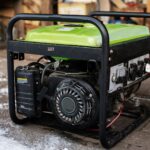
- Generators and transformers
- Industrial printing machines
- Air handling units (AHUs)
- Shipping containers
- Fuel tanks and silos
- Factory plant equipment
- Agricultural machinery
In many cases, HIAB lifting is the safest and sometimes the only practical, method for removing or installing equipment in complicated or restricted locations.
Key Safety Principles in HIAB Lifting
1. Professional Operator Training
A certified HIAB operator must understand:
- Crane load charts
- Slinging and rigging methods
- Risk assessment at each site
- How load weight and reach affect stability
Experienced operators make complex lifts look easy but that skill comes from rigorous training.
2. Site Risk Assessment
Before any lift begins, a thorough inspection should be conducted to check:
- Ground conditions and stability
- Overhead hazards like cables or trees
- Public access and site traffic
- Weather conditions, particularly wind
A safe lift always starts with a safe environment.
3. Proper Load Securing and Slinging
Incorrect rigging is one of the main causes of lifting accidents. Operators must ensure:
- Load weight is accurately known
- Correct lifting points are available
- Right slings, chains, or lifting attachments are used
- Load remains balanced throughout the lift
No shortcuts, only secure, compliant lifting.
4. Stabilisation and Outriggers
HIAB cranes rely on outriggers to stabilise the truck during lifting. Operators must:
- Fully extend outriggers when possible
- Use pads if ground is soft
- Continuously monitor levelling and stability
Stability directly affects safety.
5. Communication and Clear Instructions
Effective communication between operators, slingers, and ground staff prevents confusion and accidents. This may involve:
- Hand signals
- Two-way radios
- Pre-lift briefings
Everyone on site must know the plan.
6. Weather Awareness
Wind is the enemy of crane lifting. Operators must evaluate:
- Wind speed
- Gust patterns
- Rain affecting visibility
- Potential for slippery surfaces
If conditions are unsafe, lifting stops.
The Typical Process of HIAB Machinery Transport
- Pre-Planning: A detailed plan is created to confirm equipment weight, dimensions, access restrictions, locations, and required lifting accessories.
- Arrival and Setup: The operator positions the truck, deploys outriggers, checks ground conditions, and sets up barriers around the lifting zone.
- Lifting the Machinery: The machinery is rigged with slings or chains, lifted smoothly by the HIAB crane, and placed carefully onto the truck bed.
- Securing the Load for Transport: Chains, straps, and chocks are used to firmly secure the machinery and prevent movement during transit.
- Transport and Final Placement: The HIAB truck transports the load to the destination and unloads it directly into its final position with precision.
When Do You Absolutely Need a HIAB?
You should strongly consider HIAB transport if:
- Your site has limited access
- Machinery needs lifting over obstacles
- You require a fast, cost-efficient lift and transport package
- You’re moving heavy equipment to/from locations without on-site cranes
- Precision placement is necessary, such as inside factories or on rooftops
If a job requires accuracy, safety, and convenience, HIAB is a top solution.
Final Thoughts: The Best Choice for Safe, Efficient Machinery Handling
HIAB transport has transformed how industries move heavy machinery. By combining lifting strength, flexibility, and transport capability in one vehicle, it delivers unbeatable efficiency. Above all, when performed by qualified professionals, it ensures every lift is carried out with the highest safety standards.
Whether you’re relocating factory equipment, installing a generator, or delivering construction machinery, a HIAB is often the safest and smartest tool for the job.