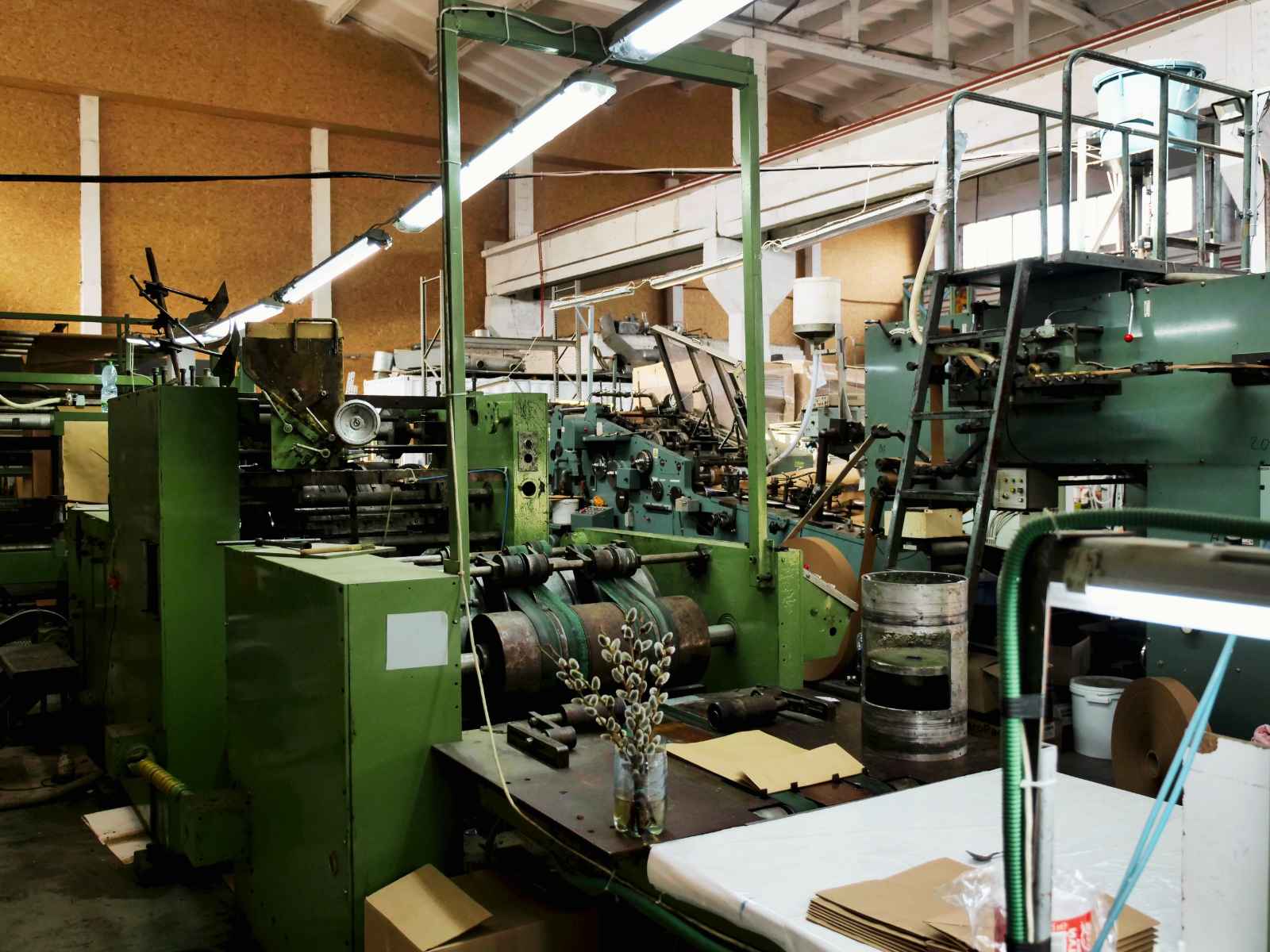
Relocating heavy factory machinery is a complex task that requires careful planning, specialised equipment, and experienced operators. Whether you’re moving a single CNC machine, industrial press, generator, manufacturing equipment, or an entire production line, ensuring the move is completed safely and efficiently is essential to avoid costly delays and equipment damage.
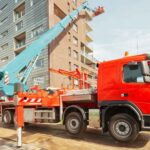
For businesses in Sydney, hiring a Hiab truck is one of the most practical and cost-effective solutions for transporting heavy machinery. With an integrated hydraulic crane, a Hiab truck can lift, load, transport, and unload machinery without the need for multiple pieces of equipment.
In this guide, we’ll explain how to safely relocate heavy factory machinery and why a Hiab truck is often the ideal choice for industrial moves.
Why Safe Machinery Relocation Matters
Industrial machinery represents a significant investment. Improper handling during relocation can result in:
- Damage to expensive equipment
- Workplace injuries
- Production downtime
- Delayed project timelines
- Increased repair costs
- Insurance claims
A well-planned relocation helps minimise these risks while ensuring machinery arrives safely and is ready for installation.
Step 1: Assess the Machinery
Before moving any equipment, conduct a detailed assessment.
Consider:
- Weight of the machinery
- Dimensions
- Centre of gravity
- Lifting points
- Fragile components
- Electrical and hydraulic connections
Understanding these details helps determine the correct lifting equipment and transport method.
Step 2: Plan the Relocation Route
Planning is essential for both onsite movement and road transport.
Evaluate:
- Factory access points
- Doorway widths
- Ceiling clearance
- Loading areas
- Bridge weight restrictions
- Road permits if required
- Traffic conditions throughout Sydney
Proper planning reduces delays and improves safety.
Step 3: Disconnect the Machinery Correctly
Before lifting any machinery:
- Disconnect electrical systems
- Drain fluids if necessary
- Remove detachable parts
- Secure moving components
- Label cables and connections
- Protect sensitive electronic equipment
This helps prevent damage during transport and simplifies reinstallation.
Step 4: Choose the Right Lifting Equipment
Heavy machinery often requires specialised lifting equipment.
Depending on the size of the equipment, options may include:
- Hiab trucks
- Mobile cranes
- Forklifts
- Machinery skates
- Hydraulic jacks
- Rigging equipment
For many factory relocations, a Hiab truck offers the most efficient solution because it combines lifting and transport into one vehicle.
Why Use a Hiab Truck for Factory Machinery Relocation?
A Hiab truck features a powerful hydraulic crane mounted directly onto the truck, allowing machinery to be lifted and transported using a single vehicle.
1. Lift and Transport in One Operation
Unlike traditional cranes that require separate transport vehicles, a Hiab truck can:
- Lift machinery
- Load onto the truck
- Secure the load
- Transport it safely
- Unload at the destination
This reduces handling and minimises the risk of damage.
2. Ideal for Tight Industrial Sites
Many Sydney factories have:
- Narrow access roads
- Limited loading areas
- Busy industrial estates
- Restricted working space
Hiab trucks are highly manoeuvrable and can operate efficiently where larger cranes may not fit.
3. Faster Project Completion
Using a Hiab truck reduces the need to coordinate multiple contractors.
With one vehicle performing both lifting and transport, businesses benefit from:
- Faster loading
- Reduced downtime
- Lower labour costs
- Improved scheduling
4. Cost-Effective Solution
Hiring separate cranes, forklifts, and transport trucks can significantly increase relocation costs.
A Hiab truck combines multiple services into one, helping businesses save money while maintaining high safety standards.
Step 5: Secure the Machinery Properly
Once loaded, machinery must be carefully secured.
Professional operators use:
- Heavy-duty chains
- Ratchet straps
- Timber blocking
- Edge protectors
- Anti-slip materials
Proper load restraint prevents movement during transport and complies with Australian transport safety requirements.
Step 6: Transport with Care
Transporting oversized or delicate machinery requires experienced drivers familiar with Sydney roads.
Professional logistics companies will consider:
- Safe travel routes
- Traffic management
- Road conditions
- Height restrictions
- Bridge clearances
- Permit requirements for oversized loads
Careful driving reduces vibration and minimises the risk of damage.
Step 7: Safe Unloading and Positioning
At the destination, the machinery must be unloaded carefully and positioned accurately.
A Hiab truck allows operators to place machinery exactly where it’s needed, reducing the need for additional handling equipment.
This is especially useful when installing machinery inside factories, warehouses, and manufacturing facilities.
Safety Tips for Moving Heavy Machinery
Always follow these best practices:
- Perform a detailed site inspection.
- Use certified lifting equipment.
- Never exceed lifting capacities.
- Employ experienced operators.
- Wear appropriate personal protective equipment (PPE).
- Keep unauthorised personnel away from lifting areas.
- Inspect lifting slings and chains before use.
- Follow Australian workplace safety regulations.
- Develop a lifting plan before starting the move.
Safety should always remain the highest priority throughout the relocation process.
Industries That Commonly Use Hiab Trucks for Machinery Relocation
Hiab trucks are widely used across various industries, including:
- Manufacturing
- Engineering workshops
- Construction
- Mining
- Food processing
- Warehousing
- Printing
- Packaging
- Recycling facilities
- Agricultural operations
Their versatility makes them suitable for transporting a wide range of heavy industrial equipment.
Machinery Commonly Moved Using Hiab Trucks
Examples include:
- CNC machines
- Industrial lathes
- Milling machines
- Generators
- Compressors
- Injection moulding machines
- Conveyor systems
- Industrial presses
- Electrical switchboards
- Air conditioning units
- Fabrication equipment
- Steel machinery
Each move requires careful planning to ensure safe handling and transport.
Why Hire Professionals?
Heavy machinery relocation is not a job for inexperienced operators. Professional Hiab truck operators understand:
- Load calculations
- Safe lifting techniques
- Australian transport regulations
- Machinery handling
- Load restraint requirements
- Risk management
Hiring an experienced logistics provider helps reduce downtime, protects valuable equipment, and ensures the relocation is completed safely and efficiently.
Final Thoughts
Moving heavy factory machinery in Sydney requires more than just transportation, it demands careful planning, specialised equipment, and skilled professionals. From assessing the machinery and planning the route to safely lifting, transporting, and positioning the equipment, every step plays a crucial role in ensuring a successful relocation.
For many industrial moves, a Hiab truck is the ideal solution. Its integrated hydraulic crane allows businesses to lift, transport, and unload heavy machinery using a single vehicle, making the process faster, safer, and more cost-effective.
Whether you’re relocating one machine or an entire production facility, partnering with an experienced Hiab truck provider in Sydney can minimise downtime, protect your valuable equipment, and keep your project running smoothly from start to finish.