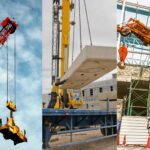
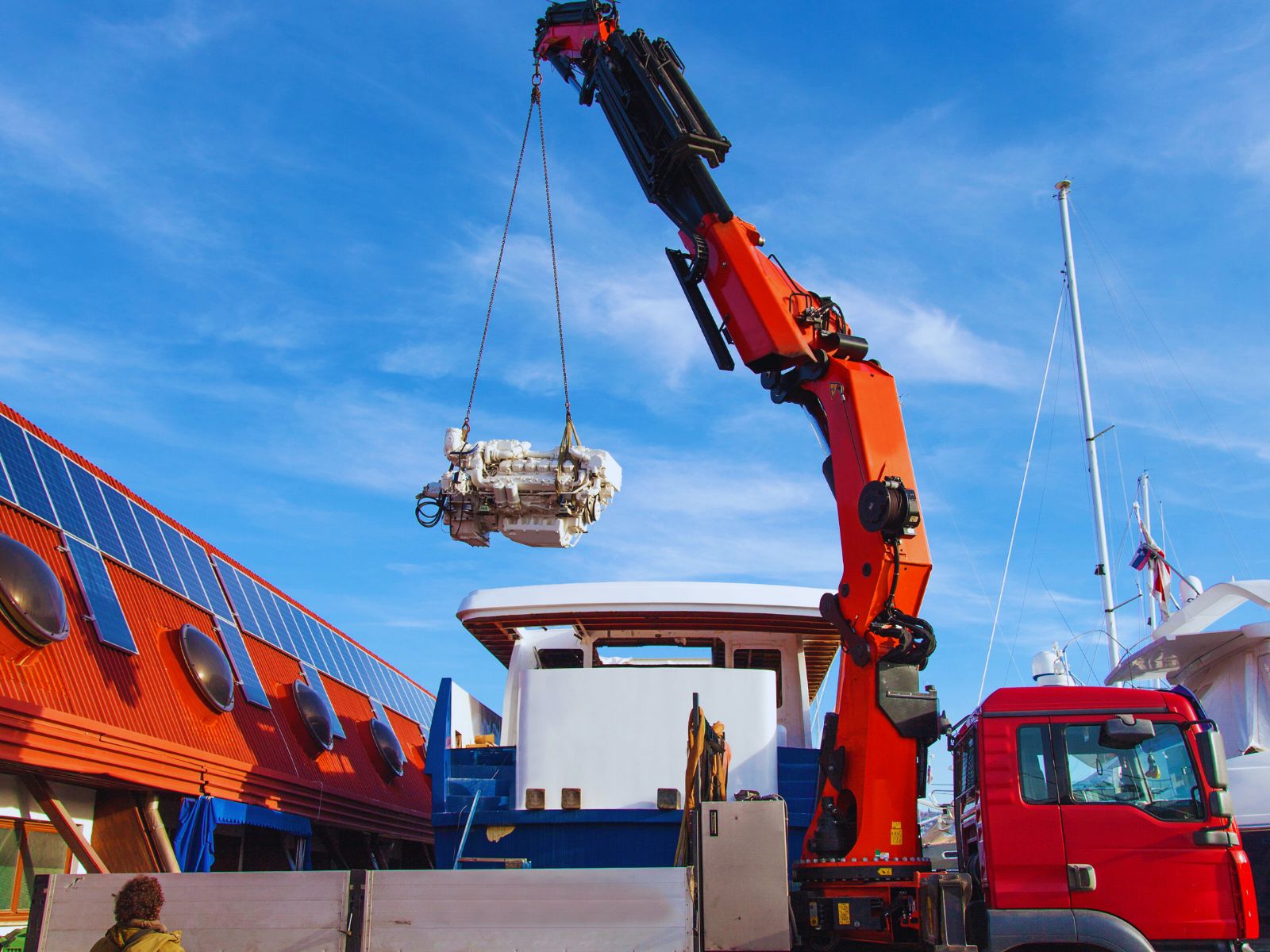
If you work in construction, logistics, or heavy transport, you’ve likely come across the term HIAB, often used interchangeably with “lorry loader,” “truck-mounted crane,” or “loader crane.” HIAB, originally a Swedish brand, has become synonymous with this type of equipment, much like “Hoover” for vacuums.
A HIAB crane offers incredible versatility, allowing operators to lift, load, and transport heavy materials using one integrated machine. But one of the most common questions customers and new operators ask is:
How much weight can a HIAB crane really handle? The answer isn’t as simple as quoting a single number. HIAB lifting capacity varies widely depending on the model, boom length, configuration, and even the angle of the lift. Still, understanding the key factors behind lifting capacity can help you plan safer and more efficient operations.
Understanding HIAB Lifting Capacity
HIAB cranes come in many sizes, from compact vehicle-mounted units for light delivery work to powerful heavy-duty cranes capable of performing complex lifting operations that rival mobile cranes.
In general, lifting capacity is influenced by three major factors:
✔ 1. Crane Model & Size
HIAB cranes range from small 2–10 tonne-metre models to massive 60–100+ tonne-metre units. “Tonne-metre” refers to the crane’s lifting moment, which measures how much weight the crane can lift at a given distance.
For example:
- A 10 tm crane might lift 2,000 kg at 5 metres,
- while a 70 tm crane could lift 10,000+ kg at 7 metres or 2,500 kg at 20 metres.
✔ 2. Boom Length (Reach)
The further the crane reaches, the less it can safely lift. This is due to leverage, extending the boom multiplies the stress placed on the crane’s base, so capacity decreases with distance.
✔ 3. Stabilisation & Vehicle Setup
HIAB cranes rely heavily on outriggers. A perfectly stabilised crane can lift significantly more than one working on uneven or soft ground.
Typical Lifting Capacities by HIAB Category
While exact numbers vary, here’s a practical overview of what different classes of HIAB cranes can usually handle:
1. Light-Duty HIAB Cranes (2–12 tonne-metre)
Commonly used on small trucks for light deliveries.
- Lift range: 200 kg – 2,000 kg
- Typical use: landscaping supplies, small machinery, light pallets
2. Mid-Range HIAB Cranes (15–40 tonne-metre)
The most common category in construction and haulage.
- Lift range: 2,000 kg – 6,000 kg at moderate reach
- At full extension: often 300–800 kg
- Typical use: building materials, containers, generators
3. Heavy-Duty HIAB Cranes (50–100+ tonne-metre)
These are powerful machines capable of serious lifting.
- Lift range:
- 8,000–15,000+ kg close to the truck
- 1,500–3,000 kg even at longer reaches
- Typical use:
- modular buildings
- plant machinery
- steelwork
- industrial equipment
Some of the largest HIAB models can rival small mobile cranes in lifting power, particularly for lifting heavy loads right next to the vehicle.
Factors That Affect Actual Lifting Capacity
Even though manufacturer charts offer guidance, real-world lifting capacity depends on several practical conditions:
- Ground Conditions: Soft, uneven, or unstable ground dramatically reduces safe lifting limits. Operators may use pads or timbers to stabilise outriggers, but poor ground can still prove a limiting factor.
- Boom Angle: Lifting capacity increases dramatically when the boom is raised to a steeper angle. Horizontal lifts with a far reach reduce the safe working load.
- Load Positioning: The distance from the crane’s pivot point impacts capacity more than the load weight itself. Even a 500-kg load can be unsafe if extended too far.
- Vehicle Weight & Distribution: A larger, heavier truck offers better stability and therefore often supports bigger lifts.
Real-World Examples of HIAB Capabilities
To give a practical sense of how much weight a HIAB crane can handle, here are some typical real-world lift scenarios:
- Delivering a 1-tonne pallet of bricks: Easily managed by mid-range HIABs even at moderate reach.
- Lifting a 3-tonne generator: Requires a mid- to heavy-duty HIAB, usually without maximum extension.
- Moving shipping containers: A 20-ft container often weighs 2–4 tonnes empty, well within range for a heavy-duty HIAB.
- Installing portable cabins or site welfare units: These lifts generally require 50+ tonne-metre cranes.
- Loading plant machinery like excavators or skid steers: Feasible with heavy-duty units depending on reach.
Why Lifting Charts Matter
Every HIAB crane comes with a detailed load chart, which remains the only authoritative guide to a crane’s capability.
The chart shows:
- maximum lift weight at different boom lengths
- safe working angles
- horizontal reach limits
- restrictions based on stabiliser position
Skilled operators use these charts before every lift to ensure safety and compliance.
So, What’s the Real Answer?
A HIAB crane can typically lift anywhere from 200 kg to 15,000+ kg depending on model, reach, and setup.
A small HIAB might handle a few hundred kilos, while a heavy-duty machine can lift 10–15 tonnes at close range.
The key takeaway is this: The maximum weight a HIAB can lift depends on how far, how high, and how safely the crane can operate in real-world conditions.
Final Thoughts
HIAB cranes are incredibly versatile, powerful, and efficient machines. Their real advantage lies not just in their lifting abilities but in their flexibility, lifting, loading, and transporting all with the same vehicle.
If you’re planning a lift, always consult the specific crane’s load chart and work with an experienced operator. A properly chosen HIAB can make even complex lifts safer, faster, and more cost-effective.