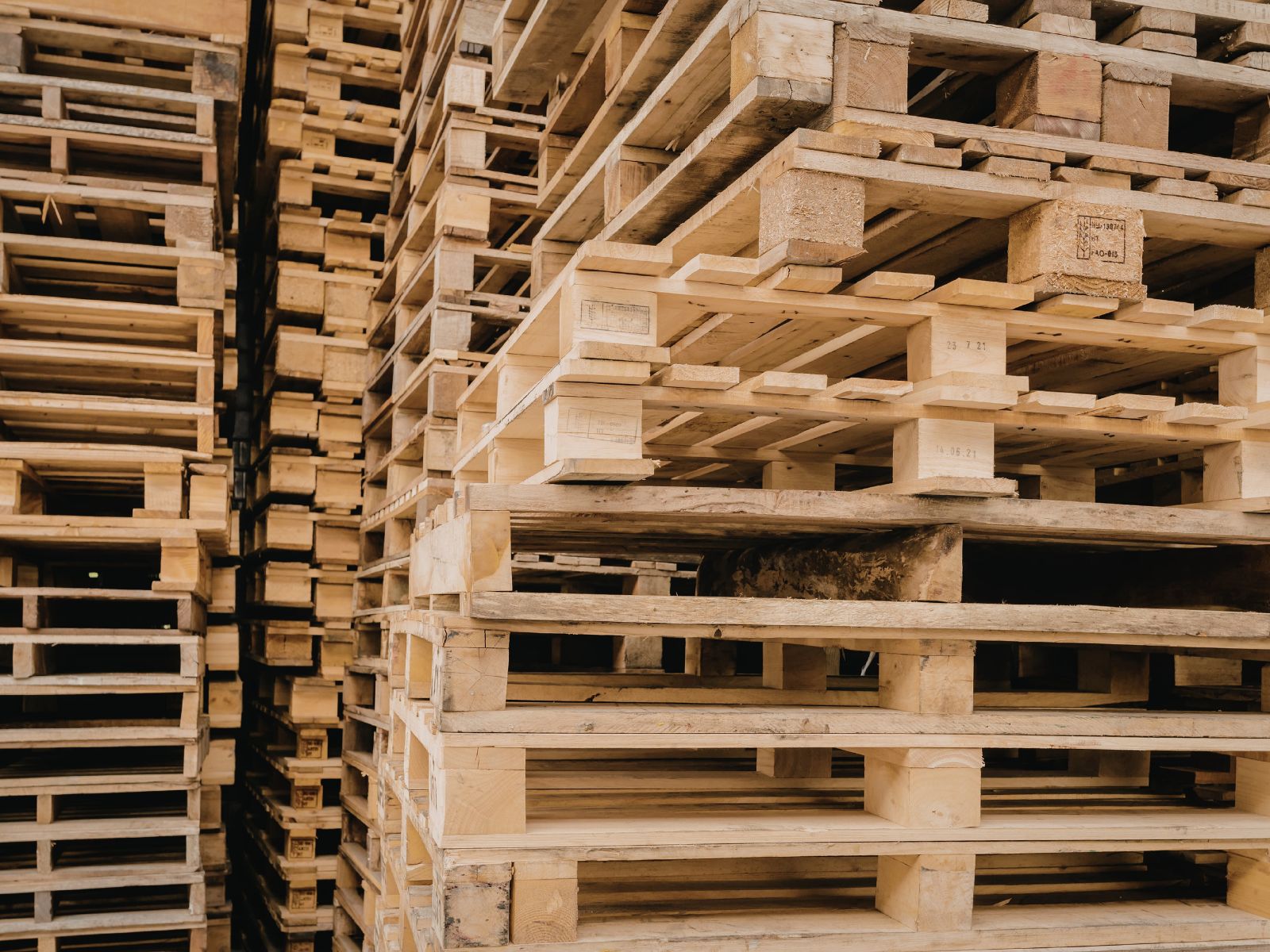
When it comes to heavy goods delivery in Sydney, whether that involves construction materials, machinery, packaged inventory, or palletised freight, safety and efficiency are critical. A Hiab truck, also known as a truck-mounted crane, is one of the most effective solutions for pallet delivery, especially when forklifts or loading docks are unavailable.
With the right procedures in place, Hiab loading and unloading can be carried out safely while protecting people, property, and cargo.
Why Is It Ideal for Pallet Delivery?
A Hiab truck combines a rigid delivery vehicle with a hydraulic crane, allowing goods to be lifted and positioned without additional lifting equipment. This makes Hiabs particularly useful in Sydney, where many delivery locations involve tight access, multi-level sites, or active construction zones.
Hiab pallet delivery is commonly used for:
- Construction and building materials
- Machinery and equipment
- Industrial pallets
- Residential and commercial site deliveries
- Locations without forklift access
By eliminating the need for external lifting equipment, Hiabs reduce delays and streamline the delivery process.
Safety First: Preparing for Loading
Proper preparation is the foundation of safe Hiab operations. Before any pallet is lifted, careful planning and site assessment must take place.
1. Site Assessment and Planning
A pre-delivery site inspection helps identify hazards and ensures the truck can be positioned safely. Important considerations include:
- Ground stability and slope
- Overhead hazards such as power lines or structures
- Vehicle and pedestrian traffic
- Space for stabilisers and crane movement
In busy Sydney environments, especially construction sites and urban areas, establishing exclusion zones is essential to keep bystanders safe.
2. Equipment Inspection and Setup
Before loading begins, the Hiab crane and truck must undergo pre-operational checks. This includes:
- Inspecting the crane for damage or leaks
- Ensuring stabilisers and outriggers are fully deployed
- Checking lifting chains, slings, hooks, and shackles
- Confirming the load does not exceed the crane’s rated capacity
Only trained and authorised operators should control the Hiab. Regular equipment inspections help prevent mechanical failure and workplace injuries.
3. Communication and Coordination
Clear communication between the crane operator, spotter, and site personnel is vital. All workers involved should understand the lifting plan and safety procedures before operations begin. Using hand signals, radios, or agreed communication methods ensures the load can be guided safely and efficiently.
Safe Loading Techniques
Correct loading techniques help maintain stability and reduce risk during transport and lifting.
Key Loading Steps
- Position the truck correctly: The vehicle should be parked on level ground with stabilisers deployed before lifting.
- Balance the pallet: Loads must be evenly distributed to prevent swinging or tipping.
- Secure the load properly: Use rated lifting gear and ensure attachment points are strong and stable.
- Lift slowly and smoothly: Sudden movements increase the risk of instability and damage.
A controlled lift reduces stress on the crane and ensures the pallet remains stable throughout the operation.
Safe Unloading Practices
Unloading pallets using a Hiab requires the same level of care and attention as loading.
1. Prepare the Unloading Area
Before lowering the pallet:
- Confirm the landing area is clear and level
- Establish an exclusion zone
- Ensure no unauthorised personnel are nearby
This step is especially important on live worksites or residential locations.
2. Controlled Placement
The operator should lower the pallet slowly, maintaining full control at all times. Guide ropes may be used to prevent spinning or drifting. The load should only be detached once it is fully supported on the ground or structure.
3. Post-Unloading Checks
Once unloading is complete:
- Remove lifting gear safely
- Confirm the pallet is stable and secure
- Clear the area for ongoing site activities
These final checks help prevent accidents after delivery is complete.
Conclusion
Hire Hiab trucks that provide a safe, flexible, and efficient solution for pallet delivery across Sydney. However, their benefits depend on proper planning, trained operators, and strict adherence to safety procedures.
By conducting thorough site assessments, maintaining equipment, and following safe loading and unloading techniques, businesses can minimise risk while ensuring timely and professional deliveries. Safe Hiab operations protect workers, customers, and cargo, making them an essential part of modern pallet logistics.