Whether you’re managing a construction project, relocating heavy machinery, or coordinating a large-scale delivery, the importance of choosing the right Hiab truck hire cannot be overstated. The right vehicle can save you time, reduce operational risk, and ensure your project runs smoothly. But with multiple options available, ranging in size, lift capacity, and functionality, how do you make the right choice?
In this guide, we’ll walk you through everything you need to know about choosing the right Hiab truck for your job site, from understanding what a Hiab truck is, to evaluating key features and asking the right questions before hiring.
What Is a Hiab Truck?
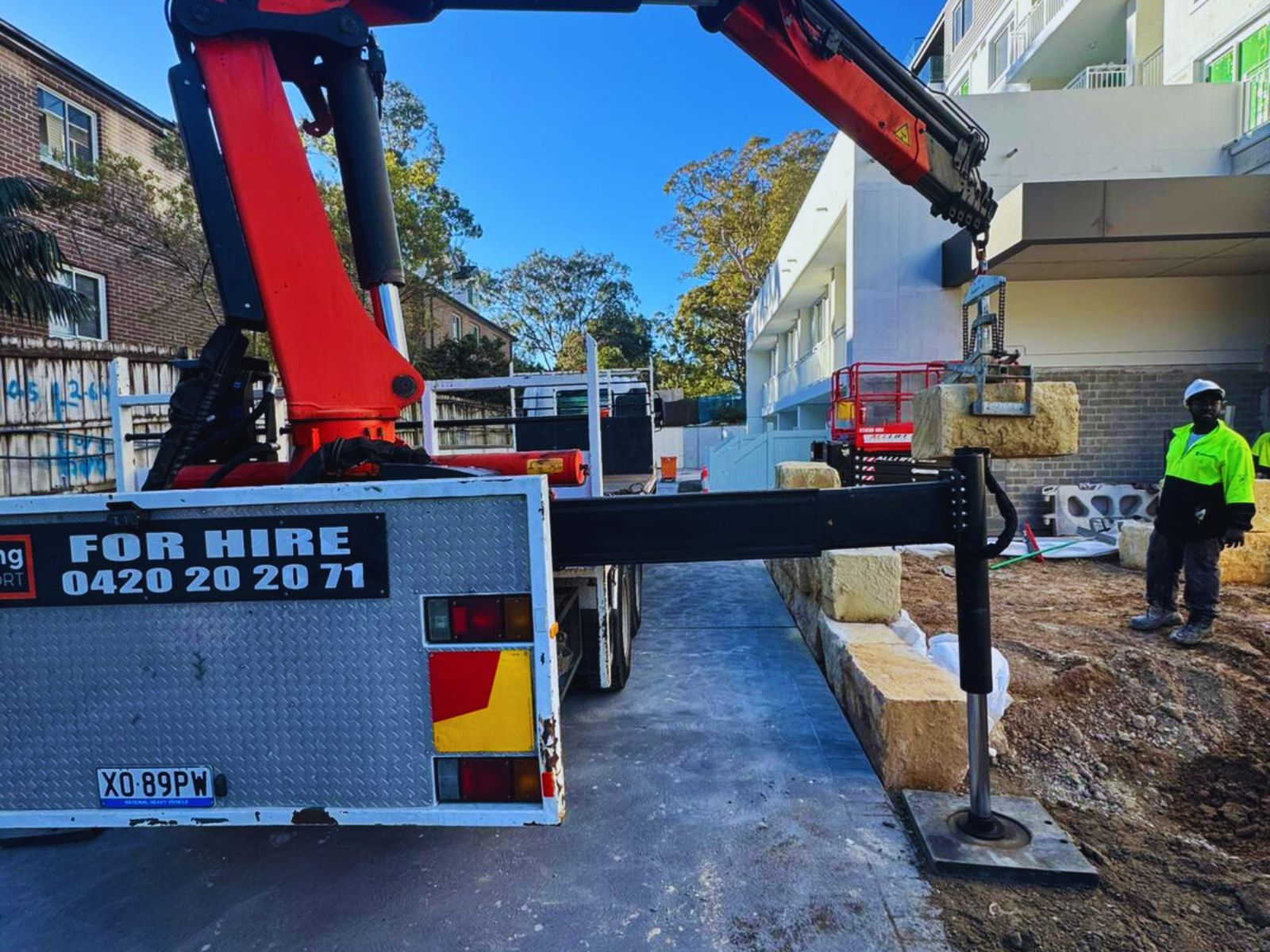
A Hiab truck (also called a Hiab crane truck or a loader crane) is a truck equipped with a hydraulic crane mounted typically between the cab and the body. “Hiab” is actually a brand name, short for Hydrauliska Industri AB, but it has become a generic term in many parts of the world for this type of vehicle.
These trucks are designed to lift, transport, and offload heavy materials without the need for additional equipment like forklifts or cranes. That makes them extremely versatile and cost-effective, particularly on sites where space is limited or where lifting equipment isn’t readily available.
Why Choosing the Right Hiab Truck Matters
Picking the wrong Hiab truck can lead to:
- Delays in delivery or project milestones
- Safety risks from overloading or misuse
- Increased hire costs from using oversized equipment unnecessarily
- Equipment damage or inefficiencies during loading/unloading
By choosing the right Hiab truck for your job, you ensure:
- Maximum efficiency
- Lower operating costs
- Enhanced safety
- Fewer logistics headaches
1. Understand Your Load Requirements
Start by identifying the type, size, and weight of the materials you’ll be moving.
Key Considerations:
- Maximum weight to be lifted: Is it a few hundred kilos or several tonnes?
- Dimensions of the load: Oversized or awkwardly shaped loads might require additional planning.
- Load fragility: Will you need a Hiab with specialized lifting accessories like spreader bars or soft slings?
Matching the lifting capacity of the crane to your load is crucial. Going over the load limit can damage the crane or lead to serious accidents.
🛠 Pro Tip: Always check the crane’s lifting chart, it shows how much weight it can lift at different boom extensions and angles.
2. Determine the Reach You Need
The crane’s horizontal reach is as important as its lifting capacity. Will the operator need to lift from a distance, such as over fences, walls, or into upper floors?
Boom Types:
- Short boom (fixed arm): Better for heavy lifting at close range.
- Long boom (telescopic or knuckle boom): Ideal for reaching across obstacles or into tight areas.
Make sure the crane’s maximum outreach matches your site layout. If you’re lifting over structures or into multi-story buildings, you’ll need a truck with an extended boom.
3. Consider Site Access and Space Constraints
Your job site might have tight entry points, narrow roads, or limited turning space, which will affect the type and size of the truck you can use.
Questions to Ask:
- Are there weight restrictions on roads or bridges leading to the site?
- Is the ground stable and level enough to support the truck and its stabilisers?
- Do you need a smaller truck with a compact crane to navigate tight spots?
In some urban environments or inner-city job sites, truck size and maneuverability become just as critical as lifting capacity.
4. Know the Duration and Frequency of Use
Are you hiring the Hiab for a one-time lift, or do you need it on-site for several weeks or months?
Options to Consider:
- Short-term hire: Ideal for one-off deliveries or urgent lifting tasks.
- Long-term hire: May include maintenance packages, driver/operator services, and better rates.
- Contract hire with operator: Best for complex projects where trained personnel are essential.
Matching the hire duration to your schedule will ensure you’re not overpaying or facing unexpected downtime.
5. Choose Between Self-Drive and Operator-Included Hire
Hiab trucks can be hired with or without a driver/operator.
Self-Drive:
- Requires your own certified and licensed driver.
- More flexibility, but riskier if you lack in-house expertise.
Operator-Included:
- Provides a licensed and experienced operator.
- Safer and more efficient, especially for complex lifts or high-risk environments.
- May include insurance and safety compliance as part of the package.
If you’re not familiar with operating crane trucks or don’t have a trained team, always go with operator-included hire.
6. Assess the Reliability and Reputation of the Hire Company
Not all Hiab truck hire companies are created equal. The quality of the equipment and service can vary greatly.
Things to Look For:
- Well-maintained fleet: Newer or well-serviced trucks are less likely to break down.
- Safety records and compliance certifications
- Fully insured operators and equipment
- Emergency support or breakdown cover
- Transparent pricing with no hidden fees
Always read reviews, ask for references, and check credentials before making a commitment.
7. Understand Pricing and Inclusions
While price is a major factor, it’s not just about finding the cheapest rate. Understand exactly what’s included:
Look For:
- Fuel charges
- Operator fees
- Travel time or distance fees
- Minimum hire hours
- Overtime or weekend surcharges
- Lifting gear (slings, spreader bars, etc.)
Ask for an all-inclusive quote and ensure there’s clarity on potential extra charges.
8. Safety and Legal Compliance
Safety is non-negotiable when it comes to crane operations. A reputable Hiab truck hire company should provide:
- Risk assessments and lift plans
- Certified and experienced operators
- Regular equipment inspections
- Compliance with local worksite safety laws
- Insurance for public liability and goods in transit
Don’t compromise safety to save costs, it could end up costing far more in delays or legal consequences.
Final Checklist: Questions to Ask Before Hiring
✅ What is the lifting capacity and reach of the Hiab truck?
✅ Can the truck access and operate safely on my job site?
✅ Is the truck suitable for the size, shape, and weight of my loads?
✅ Does the hire include a certified operator?
✅ Are there any extra fees (e.g., fuel, overtime, weekend)?
✅ Is the company fully insured and compliant with safety standards?
✅ Do they offer breakdown support or replacement vehicles?
Conclusion: Right Truck, Right Job, Right Outcome
Choosing the right Hiab truck hire is about more than just getting a vehicle with a crane. It’s about matching the right equipment to your specific job requirements, ensuring safety, reducing risk, and keeping your project on time and within budget.
By understanding your load, job site conditions, and service expectations, and working with a reputable hire company, you’ll make an informed decision that pays off in productivity and peace of mind.
So, before you make that call or request a quote, go through this checklist and make sure you’re hiring the Hiab truck that’s truly right for your job