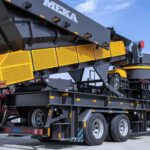

Transporting heavy equipment, construction materials and oversized loads requires the right vehicle and lifting equipment. While smaller trucks may be suitable for everyday deliveries, some projects need greater lifting capacity, reach and stability. This is where a 20-tonne crane truck can be a practical solution.
A 20-tonne crane truck combines transport capabilities with an integrated crane, allowing operators to lift and position suitable loads at delivery locations. It can be particularly useful for construction sites, industrial facilities and commercial projects where traditional delivery methods may not be sufficient.
In this guide, we explain when you might need a 20-tonne crane truck and what to consider before booking one.
1. Transporting Heavy Construction Materials
Construction projects often involve moving heavy materials such as steel beams, concrete products, building components and structural equipment.
A 20-tonne crane truck may be suitable for transporting and unloading these materials, depending on their weight, dimensions and lifting requirements.
For example, a construction company may need steel components delivered to a building site where there is limited access for forklifts or other lifting equipment. A crane truck can help lift the materials from the vehicle and position them in an accessible location.
Before booking, confirm the load weight and required lifting radius to ensure the truck can safely complete the job.
2. Delivering Machinery and Industrial Equipment
Industrial machinery can be difficult to transport because it is often heavy, bulky and expensive. Equipment such as generators, workshop machinery, pumps and manufacturing components may require specialised lifting arrangements.
A 20-tonne crane truck can provide a practical option when machinery needs to be transported and unloaded at a commercial property or industrial facility.
However, the crane’s lifting capacity depends on factors such as boom extension, lifting radius and ground conditions. A truck described as having a 20-tonne crane does not necessarily mean it can lift 20 tonnes at every distance.
Always provide accurate equipment dimensions and weight when requesting a quote.
3. Delivering Loads to Difficult-to-Reach Locations
Some delivery locations present challenges that standard trucks cannot easily overcome. A load may need to be placed behind a fence, over a boundary wall or into a designated area away from the truck’s parking position.
Depending on its crane configuration and reach, a 20-tonne crane truck may be able to lift materials over certain obstacles.
This can be useful for construction sites, commercial properties and industrial locations with restricted access.
Before the delivery, discuss the site layout with your transport provider. They can assess whether the crane has sufficient reach and whether overhead powerlines, nearby buildings or other obstacles could affect the operation.
4. Moving Large Steel and Concrete Components
Large steel sections, concrete products and other structural materials can require specialised lifting equipment during delivery.
A 20-tonne crane truck may be suitable for handling these items when the load and site conditions fall within the crane’s rated capacity.
Using an appropriately sized crane truck can reduce the need for separate transport and unloading arrangements. This may help simplify scheduling and improve efficiency on busy construction projects.
Nevertheless, oversized or unusually shaped loads may require additional transport planning, lifting accessories or other equipment.
5. Supporting Commercial and Infrastructure Projects
Large commercial projects often involve coordinated deliveries of equipment and building materials. Delays can affect workers, contractors and project schedules.
A suitable crane truck can help deliver materials directly to the required unloading area, reducing unnecessary handling.
Industries that may benefit include construction, manufacturing, warehousing, utilities and infrastructure maintenance.
For recurring deliveries, discuss your project schedule and expected load requirements with your transport provider. Planning deliveries in advance can help ensure the appropriate vehicle is available when needed.
6. When Is a 20-Tonne Crane Truck Better Than a Smaller Truck?
A smaller crane truck may be sufficient for lightweight materials, short lifting distances and straightforward deliveries. However, larger or heavier loads may require a higher-capacity crane.
A 20-tonne crane truck may be worth considering when:
- Your load requires greater lifting capacity.
- Materials are too heavy for smaller crane configurations.
- The delivery involves a challenging lifting radius.
- You need to transport and unload heavy construction components.
- The project requires specialised lifting equipment.
The correct choice should always be based on the actual load, lifting distance, site access and crane load chart rather than the truck’s headline capacity alone.
What Should You Check Before Booking?
Before arranging a 20-tonne crane truck, provide your transport company with the load’s exact weight, dimensions and lifting points. Explain where the truck can park and where the materials need to be placed.
You should also discuss ground stability, overhead obstructions, access restrictions and any permits required for the delivery.
Ensure the operator and equipment are appropriately qualified, maintained and suitable for the task. A site inspection may be necessary for complex lifts.
Conclusion
A 20-tonne crane truck can be a valuable solution for transporting and unloading heavy construction materials, industrial machinery, steel components and other suitable loads. It is particularly useful when deliveries require integrated lifting capabilities or access to challenging unloading locations.
Choosing the right crane truck starts with understanding your load and site requirements.
Need a crane truck for your next delivery? Contact a professional crane truck transport provider to discuss your load, lifting requirements and delivery location. The right equipment and careful planning can help make your delivery safer, smoother and more efficient.