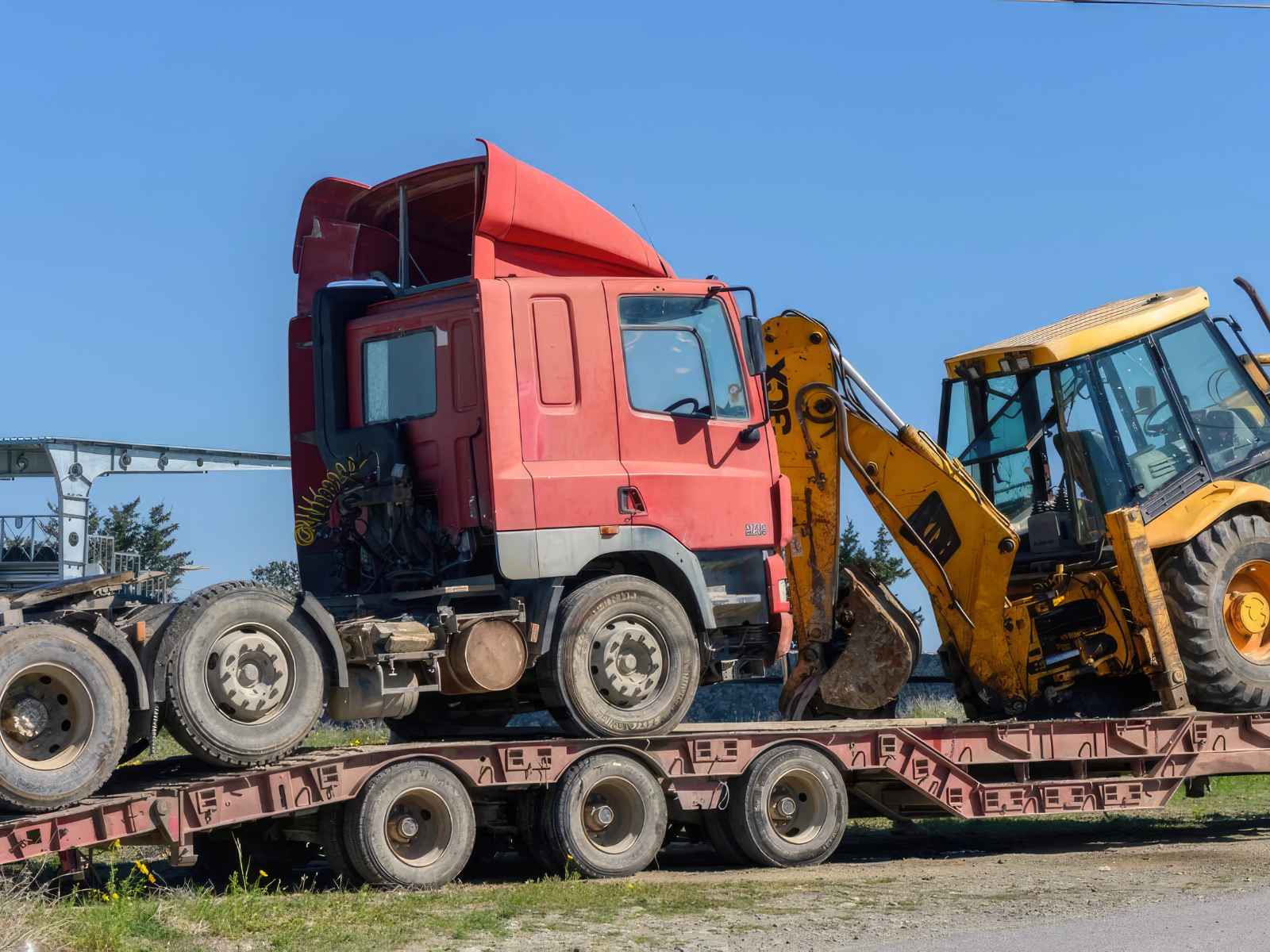
Transporting heavy equipment is very different from moving standard goods. Large machinery can be extremely heavy, oversized, difficult to load and challenging to manoeuvre through busy roads and restricted sites. Without proper planning, even a straightforward equipment move can experience delays, additional costs or safety concerns.
Whether you need to move construction machinery, industrial equipment, generators or other large items, understanding the common challenges involved can help you prepare for a smoother transportation process.
1. Heavy Weight and Oversized Dimensions
One of the biggest challenges is the size and weight of the equipment. Heavy machinery may exceed the dimensions or weight limits suitable for standard transport vehicles.
Equipment such as excavators, loaders, forklifts, generators and industrial machinery can require specialised transport solutions. The transport provider needs to understand the equipment’s exact dimensions and weight before selecting the appropriate vehicle.
Providing accurate measurements is important because even a small difference in dimensions can affect loading, transport and route planning.
2. Difficult Loading and Unloading
Loading heavy equipment onto a transport vehicle can be complicated, particularly when the machinery cannot be driven onto the truck.
Some equipment requires cranes, ramps, winches or other specialised lifting solutions. At the destination, the same challenge may occur when the machinery needs to be unloaded and positioned in a specific area.
A crane truck can be useful for certain equipment transportation jobs because it combines lifting and transport capabilities. However, the crane’s lifting capacity and reach must be suitable for the equipment being moved.
3. Limited Site Access
Construction sites, industrial properties and commercial locations may have restricted access. Narrow entrances, tight driveways, low-clearance structures and nearby buildings can make it difficult for large transport vehicles to enter or position themselves correctly.
Before transportation begins, the pickup and delivery locations should be assessed for access requirements. Factors such as road width, turning space, overhead obstacles and ground conditions can affect which vehicle is appropriate.
Photos of the site can also help the transport provider understand potential access issues before arriving.
4. Route Planning
Moving heavy equipment requires careful route planning. The shortest route is not always the most suitable route for an oversized or heavy vehicle.
Transport providers may need to consider road restrictions, bridge limits, narrow roads, low-clearance areas, traffic conditions and other restrictions. In some cases, alternative routes may be required to accommodate the vehicle and its load.
Planning the route in advance can help reduce unexpected delays and make the transportation process more organised.
5. Traffic and Road Conditions
Sydney and other major cities can experience significant traffic, particularly during peak periods. Heavy equipment transport can take longer when roads are congested or when the vehicle requires additional space to manoeuvre.
Roadworks, accidents and temporary traffic changes can also affect travel times.
Scheduling transportation at an appropriate time and allowing sufficient travel time can help reduce the impact of traffic-related delays.
6. Securing the Equipment
Heavy equipment must be properly secured during transportation. Machinery that is not adequately restrained can shift during transit, potentially creating serious safety risks.
The equipment may require suitable restraints, chains, straps or other securing methods depending on its type, size and weight.
Before transportation, the operator should ensure the load is positioned correctly and secured according to applicable requirements. Loose components should also be checked and secured where necessary.
7. Protecting the Equipment
Large machinery can be expensive, so protecting it during transport is another important consideration.
Equipment may have exposed controls, hydraulic components, attachments or other parts that need protection from potential damage. The machinery should be prepared appropriately before loading.
If attachments can be removed safely, they may need to be transported separately depending on the equipment and transport requirements.
8. Weather Conditions
Weather can create additional challenges for heavy equipment transportation. Strong winds, heavy rain and poor visibility may affect driving and lifting operations.
Wet conditions can also affect ground stability at loading and unloading locations. A vehicle may need suitable positioning and stable ground before lifting heavy equipment.
If weather conditions create unsafe working conditions, the transport schedule may need to be adjusted.
9. Equipment Preparation
Preparing machinery before transportation can take time. Fuel levels, loose parts, attachments, batteries and other components may need to be checked depending on the type of equipment and transport method.
Some machinery may also need to be cleaned before transport, particularly when it is being moved between construction or agricultural sites.
Providing the transport company with accurate information about the equipment allows them to identify preparation requirements before the scheduled move.
10. Coordinating Multiple People
Heavy equipment transportation often involves several people, including the equipment owner, transport operator, site workers and lifting personnel.
If everyone is not working to the same schedule, delays can occur. The pickup time, loading area, destination and unloading requirements should be communicated clearly to everyone involved.
Good coordination can help ensure that the equipment and required personnel are ready when the transport vehicle arrives.
11. Unexpected Costs
Heavy equipment transportation can involve costs beyond the basic transport fee. Additional requirements such as specialised lifting equipment, longer routes, site access challenges or additional labour may affect the overall price.
To reduce surprises, provide as much information as possible when requesting a quote. Include the equipment’s weight, dimensions, pickup and delivery locations, access conditions and any special lifting requirements.
How to Make Heavy Equipment Transportation Easier
Good planning is the key to avoiding many transportation challenges. Start by collecting accurate equipment information and assessing both locations.
You should consider:
- Equipment weight and dimensions
- Loading and unloading requirements
- Vehicle access
- Crane capacity if lifting is required
- Route requirements
- Weather conditions
- Load securing
- Delivery timing
- Site preparation
Working with an experienced heavy equipment transport provider can also make the process more straightforward. A professional operator can assess the requirements and recommend suitable equipment for the job.
Final Thoughts
Heavy equipment transportation involves more than simply moving machinery from one location to another. Weight, dimensions, loading, site access, route restrictions, traffic, weather and equipment security can all affect the process.
By planning the move carefully and providing accurate information to your transport provider, you can reduce avoidable delays and make the transportation process more efficient.
For large machinery or equipment that requires lifting as well as transportation, a suitable crane truck or specialised transport solution may provide the practical support needed to complete the job safely and efficiently.