Large commercial deliveries require careful planning, suitable vehicles and reliable transport arrangements. Whether your business needs to move construction materials, industrial equipment, building supplies or bulky products, booking the right truck can help prevent delays and keep your operations running smoothly.
Choosing a suitable transport provider also helps ensure your goods are handled safely and delivered to the correct location. Here is how to book a truck for a large commercial delivery in Australia.
1. Identify Your Delivery Requirements
Before contacting a transport company, determine exactly what needs to be transported. Make a list of the items, their quantities, dimensions and approximate weight.
For example, delivering construction materials to a building site may require a different truck from transporting machinery between warehouses.
Consider whether your delivery includes oversized items, fragile equipment, pallets or materials that require special handling. Providing accurate information helps the transport company recommend a suitable vehicle and prepare an appropriate quote.
2. Choose the Right Truck
Selecting the correct truck is essential for a successful commercial delivery. The vehicle must have sufficient load capacity, suitable dimensions and the appropriate equipment for your cargo.
Common options include:
- Flatbed trucks: Suitable for transporting certain building materials, steel products and bulky items.
- Crane trucks: Useful for lifting and placing heavy materials where appropriate lifting equipment and site access are available.
- HIAB trucks: Often used to transport and unload heavy equipment, construction supplies and industrial materials.
- Heavy-duty transport trucks: Suitable for larger loads that require greater carrying capacity.
Not every truck can accommodate every load. Discuss the cargo’s weight, dimensions and unloading requirements with your transport provider before confirming the booking.
3. Provide the Pickup and Delivery Details
Transport companies need accurate pickup and delivery information to plan the job effectively.
Provide the full pickup and delivery addresses, preferred collection date, delivery time and contact details for the people responsible at each location.
You should also explain any site restrictions, such as narrow access roads, low overhead clearances, limited loading zones or restricted delivery hours.
If the delivery is going to a construction site, confirm that the truck can safely access the area and that unloading space is available.
4. Request a Detailed Transport Quote
Once you have provided the delivery requirements, request a written quote from the transport company.
The price may depend on the distance travelled, truck type, load size, loading and unloading requirements, waiting time and any specialised equipment needed.
Some deliveries may also involve additional charges for difficult site access, after-hours work or special permits.
When comparing quotes, check what each price includes. The cheapest option may not provide the equipment or service required for your delivery.
5. Confirm Loading and Unloading Arrangements
Loading and unloading are important considerations when booking a truck for a large commercial delivery.
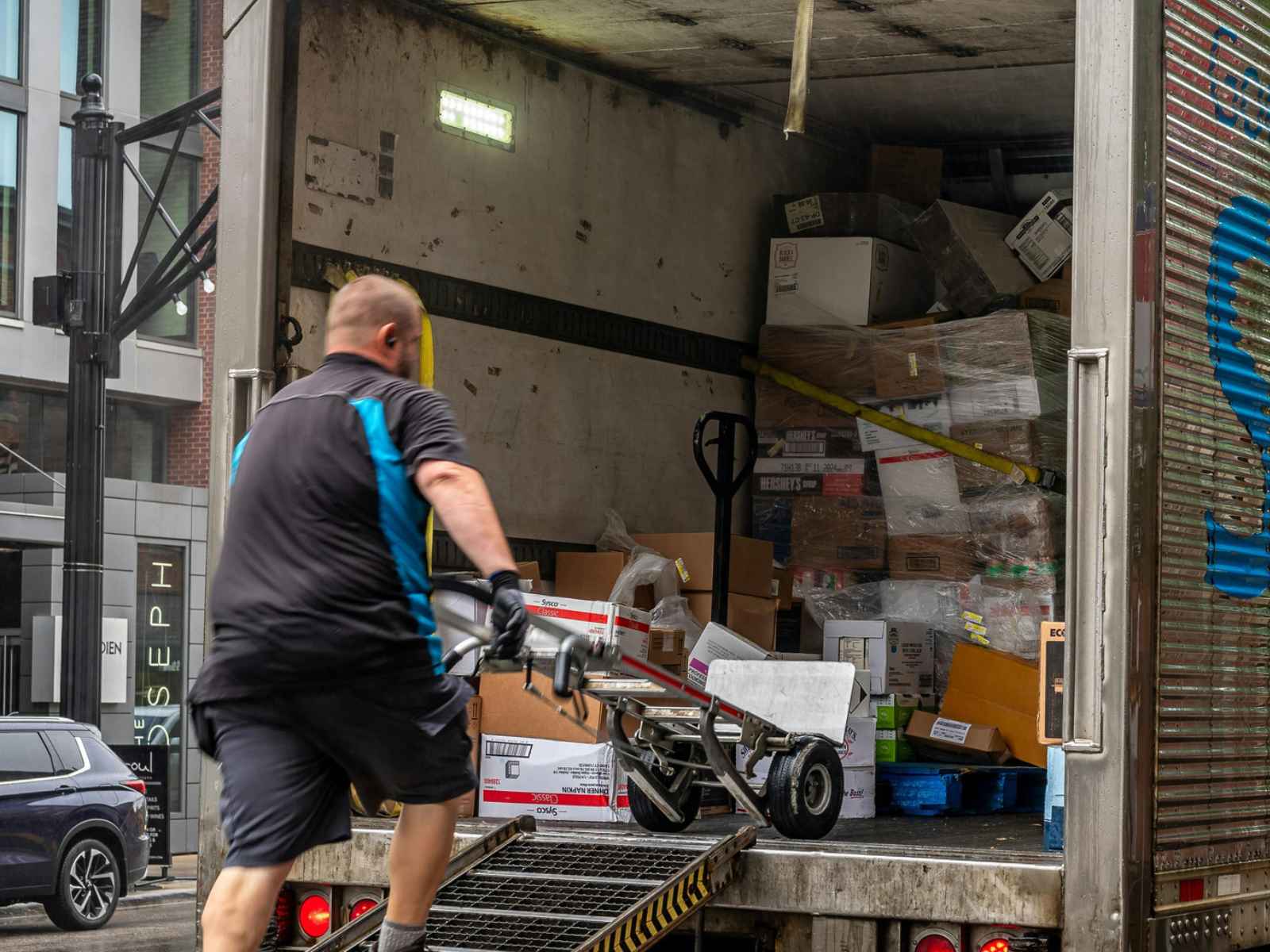
Determine who will load the goods at the pickup location and who will unload them at the destination. If your items are heavy or difficult to handle, you may need a crane truck, forklift or other suitable equipment.
Make sure the transport provider understands any lifting requirements before arriving on site.
The load must also be secured appropriately during transportation to reduce the risk of movement or damage.
6. Book in Advance and Confirm the Schedule
Booking early gives your transport provider more time to arrange the appropriate truck, driver and equipment. This is particularly important for large construction deliveries, machinery transport and projects with strict deadlines.
Once the booking is confirmed, request details about the scheduled pickup, estimated delivery window and any requirements you need to complete beforehand.
If your delivery date changes, notify the transport company as early as possible.
7. Prepare for Delivery Day
Before the truck arrives, ensure the goods are ready for collection and that the pickup area is accessible.
At the destination, arrange suitable unloading space and notify relevant staff or site managers about the expected arrival.
Keep your booking confirmation and delivery instructions available. Good communication between your team and the transport provider can help minimise waiting times and avoid unnecessary disruptions.
Book Your Commercial Delivery With Leading Transport
Booking a truck for a large commercial delivery becomes easier when you plan your requirements, select the right vehicle and provide clear instructions.
If your business needs assistance transporting construction materials, machinery, bulky equipment or other commercial goods, Leading Transport is worth considering for your delivery requirements.
Contact Leading Transport to discuss your cargo, pickup and delivery locations, preferred schedule and any special loading or unloading needs. Providing these details will help the team determine a suitable transport solution for your commercial delivery.