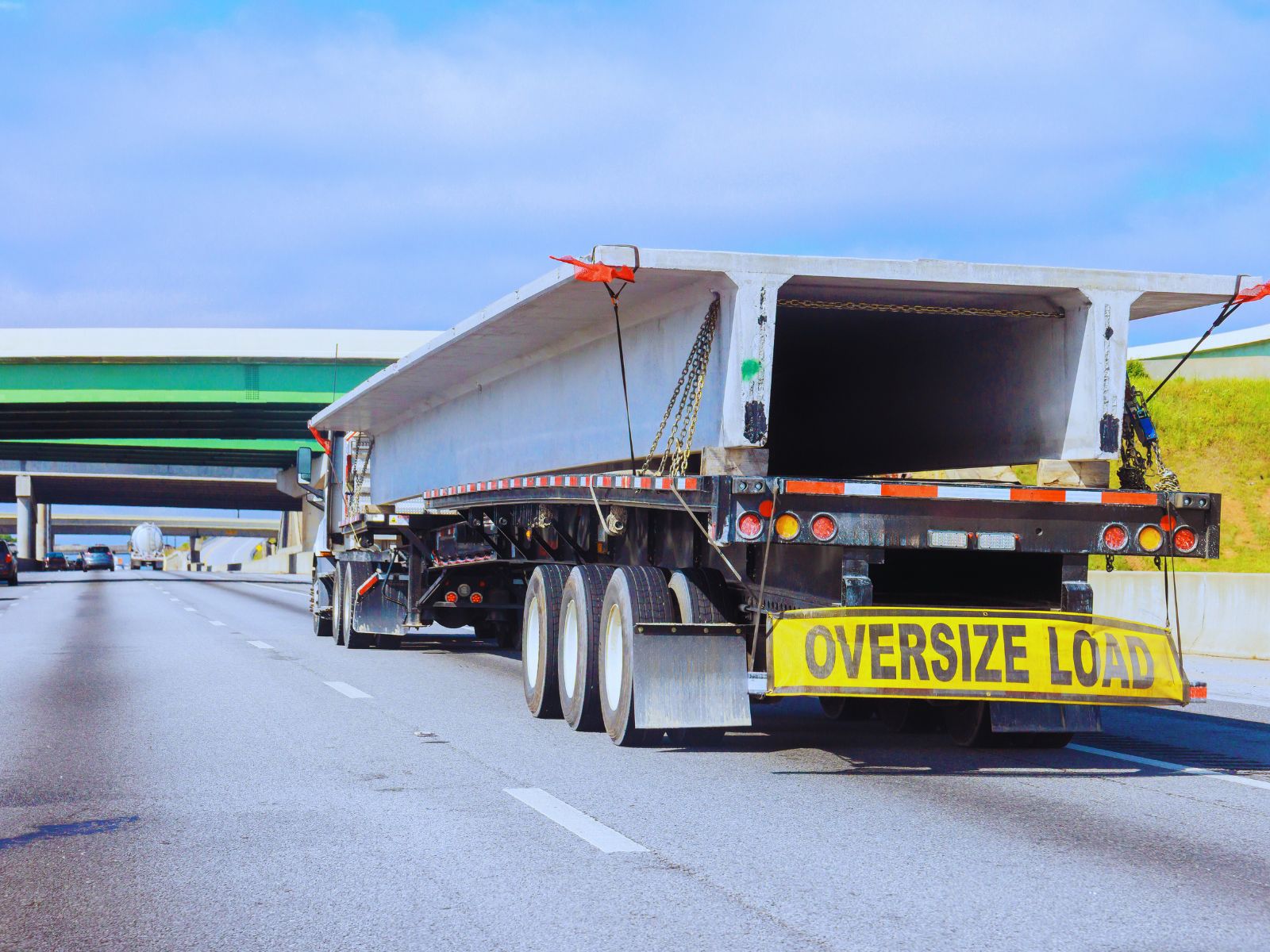
Transporting oversized loads in the construction industry is one of the most challenging logistical tasks on any project. Large beams, prefab panels, machinery, steel frames, concrete barriers, generators, and site containers all require careful planning and specialized equipment. For many contractors, the most reliable and flexible solution is to hire a Hiab truck, a truck-mounted crane that allows you to lift, load, transport, and unload with one vehicle.
Below is a comprehensive guide to executing safe and efficient oversized load transport, with a clear emphasis on why hiring a Hiab truck can save time, money, and headaches.
1. Understand What Counts as an Oversized Load
Before planning transport, it’s important to confirm whether your cargo qualifies as an oversized or overweight load. Typically, loads exceed standard limits when they are:
- Too long for a general freight vehicle
- Too wide (e.g., steel beams, prefab wall sections)
- Too tall (roof trusses, site sheds)
- Too heavy (machinery, generators, concrete structures)
Why a Hiab truck helps: A Hiab allows you to load irregularly shaped or heavy items at awkward angles or in tight areas without needing separate cranes or lifting gear.
2. Plan the Route in Advance
Oversized loads often can’t travel the usual roads due to:
- Low bridges
- Weight-restricted roads
- Tight roundabouts or narrow streets
- Overhanging vegetation
- Construction zones
Tips:
- Use route-planning software or consult local transport authorities.
- Consider the best time of day (often early morning to reduce traffic).
- Identify safe stopping areas if escort vehicles are required.
Why a Hiab truck helps: Because the Hiab can lift and place the load directly into or out of challenging spaces, you can sometimes avoid complicated site access routes that conventional flatbed trucks cannot manage.
3. Obtain Permits Early
Most oversized construction loads require special transport permits. These can vary by region and may involve:
- Oversize/overmass (OSOM) permits
- Escort requirements
- Travel time restrictions
- Pilot vehicle approvals
Why a Hiab truck helps: Hiab trucks often reduce the need for multiple permits because they eliminate the need for an on-site crane. One truck does the lifting and hauling, which simplifies compliance.
4. Prioritize Professional Loading and Securing
One of the biggest dangers in oversized load transport is improper securing. Uneven weight distribution or incorrect tie-downs can lead to load shifts, tipping, legal penalties, or severe accidents.
Best practices:
- Use high-tensile chains, load binders, and certified straps
- Keep weight balanced and low
- Avoid overhang if possible
- Inspect anchor points and crane lift points
- Double-check everything before departure
Why a Hiab truck helps: Since the Hiab operator controls both the lift and the placement, the load can be positioned exactly for optimal balance and tie-down security—reducing risks dramatically.
5. Only Use Qualified Operators
Oversized transports are not DIY jobs. Even experienced construction crews may misjudge safe lifting angles or weight distribution.
When hiring a Hiab truck, ensure:
- The operator is licensed
- The operator has experience with construction materials
- The company is insured
- The truck is maintained and within safety certification
A professional Hiab operator can often load or unload in minutes what would normally require a crane crew and rigging team.
6. Minimize On-Site Delays
Time is money on a construction site, especially when cranes or multiple teams are involved. Delays can cost thousands.
Why hiring a Hiab truck is efficient:
- The truck arrives, lifts the item directly, and drives away.
- No waiting for separate crane hire.
- No coordinating multiple subcontractors.
- Faster turnaround means fewer workers standing idle.
A Hiab can deliver materials exactly where they are needed—onto upper floors, behind fences, into tight alleyways, or directly onto foundations.
7. Improve Safety with the Right Equipment
Oversized loads are inherently risky. Hiring a Hiab truck reduces risk because it eliminates:
- Manual lifting
- Multiple vehicle movements
- On-site crane set-up
- Risky rigging attempts by untrained workers
Hiab trucks use stabilizing legs, precision hydraulic controls, and remote-control systems that allow the operator to stand in a safe, clear position while maneuvering the load.
8. Save Money Through Consolidated Services
One of the most overlooked advantages of hiring a Hiab truck is cost efficiency.
Instead of paying for:
- A flatbed truck
- A crane
- A rigging crew
- Multiple operators
You pay for one vehicle and one professional, often cutting transport costs dramatically.
Hiab trucks are ideal for:
- Delivering site sheds
- Moving machinery
- Placing steel beams
- Relocating containers
- Lifting landscaping materials
- Transporting precast concrete
9. Choose the Right Size Hiab Truck
Hiab trucks come in many configurations. When hiring, consider:
- Load weight
- Load dimensions
- Required crane reach
- Site access width
- Ground stability for stabilizer legs
- Distance from truck to final placement position
If you’re unsure, the hire company can visit the site or evaluate photos to recommend the correct truck type.
10. Prepare the Site for Smooth Delivery
Before the truck arrives:
- Clear obstacles
- Mark drop-off or pick-up zones
- Secure the area from foot traffic
- Provide safe access routes
- Identify overhead hazards like power lines
A clean and prepared site ensures a quick turnaround and prevents additional hire charges.
Conclusion:
Hiring a Hiab truck streamlines the entire oversized transport process because it combines lifting and hauling in one powerful machine. It reduces the need for extra contractors, eliminates on-site crane setup, saves project time, increases safety, and offers unmatched flexibility for construction environments.
Whether you’re moving heavy equipment, delivering prefabricated building components, or transporting awkwardly shaped materials, a Hiab truck provides a practical, cost-effective, and highly efficient solution.